Beauty and personal care e-commerce worldwide - statistics & facts
The United States and China are neck-and-neck for the title of the world鈥檚 biggest online beauty and personal care market. When it comes to revenue, the United States takes the top spot in the鈥�personal care e-commerce鈥痵egment, generating roughly 37 billion U.S. dollars. The country is also the leading market for the online beauty and cosmetics industry by website traffic. However, China generated the most revenue in the cosmetics market segment.
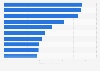
In terms of retailers exclusively specializing in the sale of beauty products, Sephora, known for its high-quality cosmetics both in-store and online, topped the global list of digital beauty stores. Sephora鈥檚 primary retail site,鈥痵ephora.com, amassed over three billion U.S. dollars in e-commerce net sales鈥痠n 2024. Ulta Beauty鈥檚 website, ulta.com, earned approximately two billion U.S. dollars globally in the same year, solidifying its position as another major player in the industry.
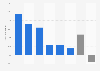
The online beauty and personal care industry continues to thrive. In 2025, it was estimated that the global market was worth around 257 billion U.S. dollars, and it is forecast to hit 338 billion by 2029.
Online marketplaces鈥攕hoppers鈥� favorite beauty hubs
In 2024, online marketplaces were the most favored e-commerce channels by beauty shoppers. Digital marketplaces provide a one-stop shopping experience with a wide selection of products, from both first-party and third-party vendors. When shopping for beauty products online, consumers often turn to these platforms for inspiration and product research. Shoppers also prefer to purchase their beauty items via the leading marketplaces in their region. In 2024, Chinese marketplaces came out on top in sales among the leading personal care marketplaces in the world, such as Douyin, Tmall, JD.com, and Pinduoduo.In terms of retailers exclusively specializing in the sale of beauty products, Sephora, known for its high-quality cosmetics both in-store and online, topped the global list of digital beauty stores. Sephora鈥檚 primary retail site,鈥痵ephora.com, amassed over three billion U.S. dollars in e-commerce net sales鈥痠n 2024. Ulta Beauty鈥檚 website, ulta.com, earned approximately two billion U.S. dollars globally in the same year, solidifying its position as another major player in the industry.
Beauty thrives on social media
Social networks have revolutionized how people shop for beauty and personal care products online. Almost every beauty niche has dedicated content creators who review and promote products, as well as foster engaging communities that follow trends and stay abreast of the latest developments. Given the popularity of apps, it is no surprise that mobile devices make up the largest share of visits to health and beauty online shops from social media referrals. Data from North America shows that TikTok is the most popular social app for beauty purchases. Globally, TikTok's beauty and e-commerce sales are primarily driven by live sales, a trend in online marketing featuring live-stream videos with purchase links and live chats that encourage consumer participation.The online beauty and personal care industry continues to thrive. In 2025, it was estimated that the global market was worth around 257 billion U.S. dollars, and it is forecast to hit 338 billion by 2029.