Social commerce - statistics & facts
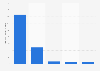
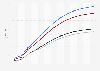
Social commerce refers to the integration of e-commerce and social media, a dynamic pairing that has reshaped how retailers engage with consumers worldwide. As demand for convenient online shopping continues to soar, companies are increasingly leveraging these networks, where shoppers can seamlessly browse and purchase products without leaving their preferred platform, enabling a swift and direct path to purchase. Asian markets are particularly enthusiastic about social shopping, with China alone generating an estimated 366 billion U.S. dollars in social commerce revenue in 2026. That same year, social commerce accounted for roughly聽15 percent of total e-commerce worldwide.
Facebook and TikTok Shop battle for the social checkout
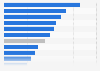
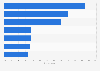
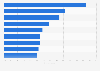
A 2026 survey identified Facebook and TikTok Shop as the most popular platforms for social purchases worldwide, though regional preferences vary widely. When it comes to making purchases, 18 percent of global shoppers named Facebook their favorite social commerce platform in 2025, with Instagram and TikTok close behind at 17 percent each. The gap between platforms has narrowed considerably, and in revenue terms, Chinese networks like Douyin dominate, generating nearly 238 billion U.S. dollars in social commerce revenue in 2025.
Gen Z and the power of social content
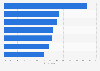
Social commerce has gained traction across all age groups, with younger consumers exhibiting more prominent usage. Gen Z, having grown up in the digital age and feeling comfortable with technology, and millennials, who possess the financial independence to indulge themselves, are more prone to social media shopping. This inclination makes them especially receptive to content creators' recommendations. In Southeast Asia, that engagement runs especially high: roughly nine in ten Gen Z consumers in Thailand reported purchasing directly from social media platforms in 2026. A 2026 survey found that discounts and user-generated content (UGC) were the most influential types of聽social content shaping purchase decisions.
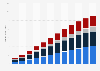
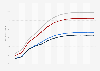
Social media as a tool for e-commerce is experiencing a rapid rise in popularity. In 2026, social commerce revenues worldwide reached an estimated 586 billion U.S. dollars, with projections pointing toward 929 billion by 2030. Meanwhile, the penetration rate of social shopping has stabilized at around 31 percent. Live commerce is also gaining traction, with combined global revenue across segments like food, fashion, and electronics forecast to surpass 200 billion U.S. dollars in 2026. As platforms invest in shoppable content, the line between entertainment and retail continues to blur.