Social media and Generation Z in the United States - statistics & facts
Like, comment, share, subscribe, and 鈥� search? Generation Z in the United States is doing just that. Social media is a multipurpose tool for American Gen Z audiences, who make the most of being constantly connected and are a powerful influence when it comes to the next online trend, as seen in the rise of social search.
Furthermore, 40 percent of U.S. teens felt that social media usage negatively affected their productivity, and 45 percent said it affected their sleep. As for mental health, one in five teens reported that social media hurt that aspect of their life.
Generation Z social media users in the United States utilize social media for more than just entertainment and communication; it also serves as a search engine, bringing social search into the arena.
Social media is Gen Z鈥檚 stomping group
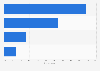
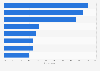
As of March 2025, Generation Z adults represented 27 percent of the social media audience in the United States. Among these Gen Z users, the top social media activities were liking and commenting on other users' posts. Sending private messages was also a leading activity of this cohort, and just one in twenty users reported being passive social media users. Instagram, TikTok, and Snapchat are the most used social media platforms amongst Generation Z in the United States.Social search enters the arena
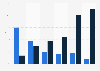
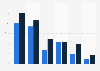
Social media is used by Gen Z in the United States for much more than staying up to date with trends and staying in contact with friends. An April 2024 survey found that Gen Z prefers using social media over search engines to find information online, with 46 percent of respondents saying they preferred this method. TikTok, the defining social platform of the generation, was used as a search engine by 41 percent of users in 2024. The most common topics searched for on TikTok were gift ideas, hair and make-up, and wellbeing and fitness. On Instagram, fashion brands were the most popular search terms among Gen Z in the U.S.Is Gen Z happy with their social media consumption?
There are ongoing conversations and concerns about social media consumption and constant connectivity at the hands of young people. According to a survey conducted in 2024 in the United States, almost half of all Generation Z respondents were satisfied with their current level of social media engagement, while one third reported that they wanted to be less engaged with social media. Gen Z tend to think negatively about certain platforms, and 50 percent of Gen Z adults said they wished X (formerly Twitter) had never been invented. Even though TikTok is the app of choice for lots of young users, 47 percent wished that it had never been created.Furthermore, 40 percent of U.S. teens felt that social media usage negatively affected their productivity, and 45 percent said it affected their sleep. As for mental health, one in five teens reported that social media hurt that aspect of their life.
How does Gen Z feel about online ads?
Online advertisements bring about mixed feelings for Gen Z consumers. Overall, 38 percent of U.S. Gen Z felt annoyed by online ads. Moreover, 31 percent were bothered when ads were based on their search history, demonstrating the generations鈥� wish for confidentiality. When it came to brands using AI to create ads and content, 63 percent of Gen Z supported the idea.Generation Z social media users in the United States utilize social media for more than just entertainment and communication; it also serves as a search engine, bringing social search into the arena.