Timeline of events: TikTok ban in the United States
TikTok鈥檚 rise in the United States has been closely scrutinized. Launched internationally in 2017, TikTok is a leading short-form video platform owned by ByteDance, a prominent technology company headquartered in China. Since its entry into the U.S. market, however, the platform has been at the center of competition and regulatory disputes, with its rapid growth fueling concerns over data privacy and national security.
On December 27, 2022, TikTok was banned from the mobile devices of lawmakers and staff in the U.S. House of Representatives because of security concerns related to potential foreign access and data risks. Soon after, a revised federal policy extended this restriction to all federal government employee devices, with exceptions only for research and law enforcement purposes.
Days later, U.S. senators from both parties introduced the RESTRICT Act. This legislation would allow the federal government to ban or restrict technology from China, including TikTok, if such technology is seen as a national security risk. At the end of March, TikTok CEO Shou Zi Chew testified before Congress. He stressed the platform's focus on security and free speech. Lawmakers questioned him about TikTok鈥檚 data privacy practices and links to China.
On April 14, 2023, Montana became the first state to approve a full statewide ban on TikTok. This ban would have made it illegal for app stores to offer TikTok for download in Montana and imposed fines on TikTok and the app stores for violations. Individual users, however, would not have faced penalties under the law. Several TikTok users and the company itself sued the state, claiming the ban violated First Amendment free speech rights and exceeded Montana鈥檚 authority in matters involving foreign policy.
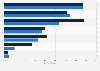
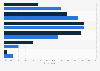
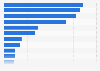
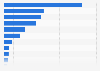
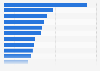
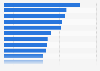
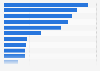
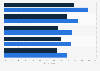
In 2024, 30 percent of TikTok content creators based in the United States indicated that they would transition to YouTube in the event of a ban in the United States, while fifteen percent perceived Instagram as a viable alternative. In addition, 33 percent of influencers believed that Facebook Reels would emerge as the next big thing in short-form video if TikTok was shut down or banned.
In Europe, TikTok faced ongoing investigations and stricter requirements for data transparency. Regulators imposed new fines and pressured the company to improve its privacy standards. These developments show how TikTok鈥檚 future in the U.S. and Europe remains uncertain, with legal and regulatory challenges shaping its business strategy and user experience.
2018: ByteDance merges Musical.ly and TikTok
In August 2018, ByteDance merged Musical.ly into TikTok, consolidating all user accounts and content under the TikTok brand. This strategic merger combined the strengths of both platforms, establishing TikTok鈥檚 strong presence and user base in global markets.2019: User data storage shifts
ByteDance took significant steps to separate TikTok鈥檚 global operations from its Chinese business in response to growing U.S. government concerns about the security of international user data and potential transfers to China. This process included segregating product, business development, marketing, and legal teams, shifting U.S. user data storage to servers within the United States with additional backups in Singapore. The company鈥檚 actions aimed to address scrutiny from regulators, particularly the Committee on Foreign Investment in the United States (CFIUS), and to reassure authorities that TikTok鈥檚 operations were independent and safeguarded from Chinese government influence.2020: Trump鈥檚 executive order
On August 6, 2020, the Trump administration issued Executive Order 13942 to ban TikTok due to national security concerns. The order cited the risk that TikTok could allow the Chinese government access to Americans鈥� personal data, including location and browsing. Around the same time, lawsuits were filed alleging TikTok collected sensitive user information, such as biometric and personally identifiable data, and transmitted some of this data to servers in China. The executive order referenced concerns over foreign influence and information control.2021: Biden鈥檚 approach
On June 9, 2021, President Joe Biden revoked the Trump-era executive orders that sought to ban TikTok and other Chinese-owned apps and issued a new executive order establishing a framework for assessing the national security risks of foreign-controlled technology and software applications. This new order requires the Department of Commerce to evaluate potential risk indicators, including data storage practices and foreign ownership ties, to determine whether access to Americans鈥� personal data by foreign adversaries poses undue or unacceptable risks to U.S. national security.2022: Project Texas and U.S. government bans
In 2022, TikTok worked with U.S. regulators and moved all American user data to Oracle servers under 鈥淧roject Texas鈥� to strengthen privacy and limit foreign access. That same summer, TikTok agreed to pay $92 million to settle claims it violated privacy laws, including the federal Video Privacy Protection Act.On December 27, 2022, TikTok was banned from the mobile devices of lawmakers and staff in the U.S. House of Representatives because of security concerns related to potential foreign access and data risks. Soon after, a revised federal policy extended this restriction to all federal government employee devices, with exceptions only for research and law enforcement purposes.
March to April 2023: The RESTRICT Act
In March 2023, the U.S. House Foreign Affairs Committee voted to give President Biden authority to ban TikTok. Reuters described this possible ban as 鈥渢he most far-reaching U.S. restriction on any social media app.鈥� TikTok responded with an official statement, calling the legislation rushed and warning that it would harm Americans鈥� free speech rights.Days later, U.S. senators from both parties introduced the RESTRICT Act. This legislation would allow the federal government to ban or restrict technology from China, including TikTok, if such technology is seen as a national security risk. At the end of March, TikTok CEO Shou Zi Chew testified before Congress. He stressed the platform's focus on security and free speech. Lawmakers questioned him about TikTok鈥檚 data privacy practices and links to China.
On April 14, 2023, Montana became the first state to approve a full statewide ban on TikTok. This ban would have made it illegal for app stores to offer TikTok for download in Montana and imposed fines on TikTok and the app stores for violations. Individual users, however, would not have faced penalties under the law. Several TikTok users and the company itself sued the state, claiming the ban violated First Amendment free speech rights and exceeded Montana鈥檚 authority in matters involving foreign policy.
November 2023: Montana takes on TikTok
In November 2023, U.S. District Judge Donald Molloy granted a preliminary injunction, blocking the ban from taking effect as scheduled. The judge stated that the law overstepped state power, likely violated the First Amendment, and was driven more by anti-Chinese sentiment than consumer protection. The Montana case has become an important test of whether a state can lawfully impose a total ban on a widely used social media platform.2024: The looming nationwide ban
In April 2024, President Biden signed a law requiring ByteDance to sell TikTok鈥檚 U.S. business by January 19, 2025, or face a nationwide ban. TikTok challenged the law in court, arguing that it violated the First Amendment. In December, the U.S. Supreme Court upheld the law and confirmed that ByteDance must divest or TikTok would be banned. During this time, the European Union also increased its scrutiny of TikTok, launching investigations and issuing fines for violations of privacy laws, including illegal data transfers to China.In 2024, 30 percent of TikTok content creators based in the United States indicated that they would transition to YouTube in the event of a ban in the United States, while fifteen percent perceived Instagram as a viable alternative. In addition, 33 percent of influencers believed that Facebook Reels would emerge as the next big thing in short-form video if TikTok was shut down or banned.
Early 2025: Deadlines, divestment, and debates
As the January divestment deadline approached, President Trump and the U.S. government extended it several times. The enforcement date shifted from June to September and finally to December 2025. Negotiations and court challenges continued throughout these extensions. During this period, the White House launched its own TikTok account, highlighting the app鈥檚 complex regulation and political role in America.In Europe, TikTok faced ongoing investigations and stricter requirements for data transparency. Regulators imposed new fines and pressured the company to improve its privacy standards. These developments show how TikTok鈥檚 future in the U.S. and Europe remains uncertain, with legal and regulatory challenges shaping its business strategy and user experience.