Popular gifts & gifting behavior in the United States - statistics & facts
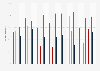
Americans mark the year with a steady rhythm of gift-giving occasions, from Valentine's Day and Mother's Day to the end-of-year holiday season that towers above the rest. Christmas is by far the occasion most consumers prepare for, with nearly nine in ten Americans planning to celebrate it in 2026, followed by Thanksgiving and Mother's Day. The financial weight of this tradition is considerable: average expected spending on holiday gifts surpassed the four-digit mark for two consecutive years by 2025, and Christmas was by far the occasion most consumers intended to spend the most on.
What Americans give, want, and buy for themselves
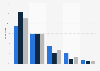
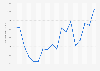
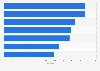
Gift cards and clothing are the most popular planned holiday purchases, followed by toys, books, and electronics. These choices align closely with what recipients say they actually want: money topped U.S. consumers' wish lists in 2025, followed closely by gift cards and apparel, suggesting that many Americans prize the freedom to choose for themselves above all else. That desire extended even to self-gifting, with close to one in five consumers who planned to buy themselves a present intending to spend 500 U.S. dollars or more on that personal treat. Beyond conventional products, second-hand gifting has grown meaningfully, with the share of consumers willing to give pre-owned items as holiday gifts having nearly doubled between 2022 and 2025.
Finding the right gift is harder than it looks
Finding a suitable present remains a genuine challenge for many shoppers, and most turned to their personal networks for ideas first. Among consumers who sought gift inspiration on social media, friends and family ranked as the most trusted source, well ahead of user comments and influencer recommendations. Even so, not every gift lands: more than one in three consumers returned or planned to return holiday gifts they received in 2025. For those pulling back on spending, inflation was the dominant concern, with a clear majority of budget-conscious shoppers citing higher product prices as their main reason for cutting back per recipient. Together, the challenge of choosing well and the pressure of rising costs continue to shape how Americans approach the tradition of giving.