Valentine's Day in the U.S. - statistics & facts
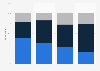
Valentine鈥檚 Day is celebrated every year on February 14 and is widely considered the most romantic holiday of the year. In 2026, spending is set to reach record-breaking highs, with U.S. consumers expected to spend around 29 billion U.S. dollars on the event. On this day, children in the United States typically distribute Valentine鈥檚 cards and candy to their classmates, and couples plan a romantic date night for the occasion. When asked whether they were planning to celebrate Valentine鈥檚 Day this year, most adults in the United States said they would. However, Americans seem to be less likely to celebrate the event in recent years than in the late 2000s and early 2010s.
Valentine鈥檚 Day expenditure
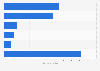
Overall expected Valentine鈥檚 Day spending in the United States has continued to rise. In 2026, the total predicted expenditure translates to an estimated average spend of under 200 U.S. dollars per capita. That year, a large portion of the country鈥檚 Valentine鈥檚 Day sales was expected to be attributed to jewelry. A romantic evening out was another area where consumers were expected to spend a lot of money. In terms of how much people planned to spend on celebrating Valentine鈥檚 Day, around a third of people were prepared to spend between 25 and 50 U.S. dollars. Categories like flowers, chocolates, and cards also remain dependable, lower-priced contributors to overall sales.听
Valentine鈥檚 Day shopping behavior
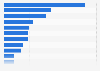
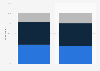
During the Valentine鈥檚 Day sales season, most U.S. consumers shop both online and offline. Big-box stores are the most popular choice among U.S. consumers, followed by grocery stores. When it comes to聽Valentine鈥檚 gift purchase criteria, most shoppers say thoughtfulness matters the most, signaling that many want gifts to feel personal and meaningful. Price, value, and quality are also important considerations. Notably, more and more people plan to buy gifts for themselves, especially among Gen Z, marking a growing trend of self-gifting.听