General election in Portugal 2025 - statistics & facts
On May 18, 2025, the 10.9 million registered voters in the Portuguese electorate elected the 230 deputies that will constitute the National Assembly of the 17th legislature of the Third Portuguese Republic.
This was an early election, one year after the previous electoral process, which was also a snap election called by the President Marcelo Rebelo de Sousa. The 2024 vote created a new political scenario in Portugal, where the two-party system gave way to a three-party one, as the Socialist Party (PS) and the Social Democratic Party (PSD) were confronted with the growth of the conservative, right-wing populist party CHEGA. This political scenario was only deepened by the 2025 vote.
The consulting company, also involved in real estate dealings and viniculture, raised alarm with the media and opposition parties when it was discovered that Montenegro could, even as prime minister, benefit from its profits. Despite denying that there was any conflict of interests, Montenegro鈥檚 government was subjected to two motions of censure, both of which failed, and the major opposition party, PS, proposed a parliamentary commission of inquiry into Montenegro鈥檚 family business. This led the government to table a motion of confidence, which was rejected, prompting its downfall and justifying early elections.
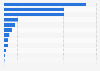
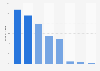
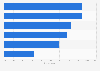
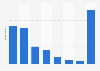
Still, the vast majority of citizens considered that the 2025 elections could have been avoided, as corruption cases are only a main national concern for 10 percent of people. Nevertheless, most intended to go to the ballots.
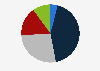
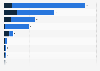
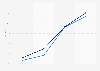
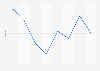
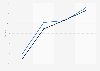
Simultaneously, polls demonstrated that, after an oscillation between AD and PS, voting intention grew firmer on the former, which came to reality when the election results were out. AD won the election with over 31 percent of the votes; however, it was the poor performance of PS that was truly surprising. This historic party lost the title of second-largest political party in Portugal, as CHEGA surpassed it in number of mandates at the Portuguese Parliament.
This was an early election, one year after the previous electoral process, which was also a snap election called by the President Marcelo Rebelo de Sousa. The 2024 vote created a new political scenario in Portugal, where the two-party system gave way to a three-party one, as the Socialist Party (PS) and the Social Democratic Party (PSD) were confronted with the growth of the conservative, right-wing populist party CHEGA. This political scenario was only deepened by the 2025 vote.
The 2024 and 2025 political crises
The 2024 election, won by the center-right coalition Democratic Alliance (AD), came in the context of several resignations in the socialist majority government, led by Ant贸nio Costa, and his indictment as a suspect in a corruption case, which prompted his resignation. In 2025, the Portuguese were called to the ballots again due to a scandal regarding Prime Minister Lu铆s Montenegro鈥檚 family business, Spinumviva.The consulting company, also involved in real estate dealings and viniculture, raised alarm with the media and opposition parties when it was discovered that Montenegro could, even as prime minister, benefit from its profits. Despite denying that there was any conflict of interests, Montenegro鈥檚 government was subjected to two motions of censure, both of which failed, and the major opposition party, PS, proposed a parliamentary commission of inquiry into Montenegro鈥檚 family business. This led the government to table a motion of confidence, which was rejected, prompting its downfall and justifying early elections.
Views on the political situation ahead of the vote
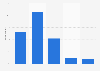
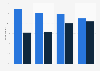
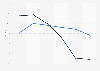
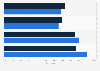
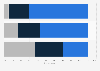
The Portuguese were divided when it came to evaluating the quality of the government鈥檚 performance in 2025, with 47 percent considering it positive and 43 percent negative. Most people, however, agreed that the responsibility for the political crisis leading to the election belonged to the prime minister and his party.Still, the vast majority of citizens considered that the 2025 elections could have been avoided, as corruption cases are only a main national concern for 10 percent of people. Nevertheless, most intended to go to the ballots.
Political leaders and results of the election
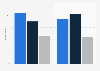
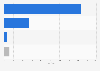
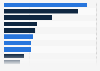
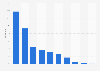
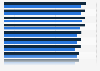
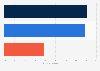
Lu铆s Montenegro was considered the best current political party leader in Portugal, scoring one point higher than Pedro Nuno Santos, the leader of PS, and more than four points higher than Andr茅 Ventura, the leader of CHEGA. The former and now reelected prime minister was also considered more competent and mature; however, not more honest. The majority of the Portuguese believed that AD would win the election and a socialist victory was only predicted by less than a quarter of the population. A government supported by AD and other right-wing parties was also the preferred electoral result.Simultaneously, polls demonstrated that, after an oscillation between AD and PS, voting intention grew firmer on the former, which came to reality when the election results were out. AD won the election with over 31 percent of the votes; however, it was the poor performance of PS that was truly surprising. This historic party lost the title of second-largest political party in Portugal, as CHEGA surpassed it in number of mandates at the Portuguese Parliament.