Dry January - statistics & facts
While Dry January started as a once a year, post-holiday season moderation challenge, it has become a jumping off point for people interested in alcohol moderation as a lifestyle choice. Interest in participating has grown year after year, with 56 percent of respondents to a recent survey in the United States indicating that they planned on taking part in 2026. At the same time, the market for alternatives like non-alcoholic beer has been growing. In the United Kingdom, where Dry January started, revenue for the market stood at 410 million U.S. dollars in 2025, up over 95 percent since 2020, while in the United States it reached 7.5 billion dollars, an increase of almost 83 percent in the same period.
Alcohol replacements
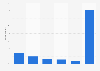
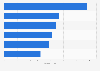
Most consumers are not replacing alcoholic drinks with non-alcoholic drink alternatives like non-alcoholic beer. Rather, 28 percent are drinking juices and teas, 23 percent are using sodas, including those with pre and probiotics, and 17 percent are using CBD or cannabis drinks. Tied with cannabis drinks are non-alcoholic beer, mocktails, and non-alcoholic spirits.
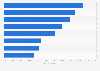
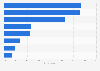
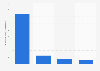
Athletic was the best-selling brand of non-alcoholic beer in the United States, with sales of almost 96 million U.S. dollars. Heineken followed with sales of almost 90 million dollars. In the United Kingdom, Heineken was number one in on-trade sales at almost 40 million GBP, followed by Guinness Draught at over 31 million pounds.
Who are the sober-curious?
Younger consumers were the most likely to say they were participating in Dry January in 2026. Twenty-six percent of those aged 21 to 29 claimed to be taking part, as well as 25 percent of 30 to 44 year-olds. Younger consumers also represent the bulk of non-alcoholic beer and wine drinkers. Eighty percent of non-alcoholic beer drinkers are in the Gen Z or millennial cohort. They also represent 84 percent of non-alcoholic wine drinkers.
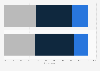
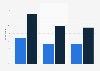
The interest in Dry January coincides with a growing concern about the harm caused by alcohol consumption, particularly among younger people. Compared with 2018, belief that even moderate alcohol consumption is bad for your health almost doubled among people aged 18 to 34 years old. In 2025, 66 percent of people in this age group held this belief, as well as 50 percent of 35 to 54 year-olds, and 48 percent of those 55 years and older.