E-commerce in Southeast Asia - statistics & facts
The e-commerce wave is transforming how millions of consumers shop, sell, and live, reshaping economies and redefining business models as companies try to stay afloat in the digital era. As internet penetration in Southeast Asia skyrockets, online purchases are becoming more frequent. In some Southeast Asian countries, consumers already prefer online shopping to in-store shopping, an inclination likely to continue with increasing product availability, convenience, and the solidifying of trends such as social commerce.
Southeast Asia鈥檚 E-commerce Landscape
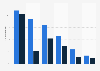
The most populous country in Southeast Asia, Indonesia, leads the region by e-commerce revenue. Across the region, e-commerce markets were forecast to grow further in the coming years, with Vietnam, Thailand, and the Philippines projected to see significant growth compared to their current market size. Online shopping platforms such as Shopee, TikTok, and Lazada were the largest e-commerce marketplaces across the region. Among those three, Shopee accumulated the highest gross merchandise value. Despite TikTok Shop joining the market in late 2021, it has already established itself as a major competitor to the other e-commerce giants.聽
What are Southeast Asian consumers purchasing online?
Clothing and beauty are some of the leading shopping categories on e-commerce platforms among Southeast Asian consumers. Food delivery and online grocery markets have also significantly grown in market size, with a great share of consumers making weekly online grocery purchases in Southeast Asia. The comfort of buying products from home results in an increasing online shopping environment and more frequent use of online platforms as shopping channels, instead of visiting physical stores.
The rising influence of social commerce
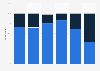
The increasing popularity of social media in Southeast Asia has fueled the development of social commerce in this region. In 2025, high shares of internet users in selected Southeast Asian markets reported buying products on social media, with Vietnam and Thailand showing the strongest penetration. As social shopping becomes a normal part of how people discover and purchase items, platforms that blend content and commerce, including TikTok Shop, are likely to keep gaining traction.