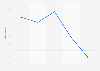


| Characteristic | Share of respondents |
|---|---|
| Didn't recognise/know the number/sender/account who called/messaged/posted the content | 55% |
| Poorly written content (e.g. wrong spelling/grammar/poor spoken English) | 49% |
| Offered rewards which seemed 'too good to be true' (e.g. promise of free money/unrealistically high return on investment/extremely low price for a product/service) | 30% |
| Inconsistent profile information (e.g. photos/bio of the supposedly same person didn't match) | 24% |
| The call/message was from an international number/abroad | 20% |
| Suspicious imagery (e.g. photos of a luxurious lifestyle/money) | 20% |
| Heard/saw warnings about it before | 19% |
| No/poor-quality logo | 14% |
| The scammer expressed a strong personal/emotional attachment too soon | 14% |
| Not endorsed by a credible person | 9% |
| Not endorsed by a credible organisation | 9% |
| Can't remember | 6% |
| No/few testimonials/reviews | 4% |
| Poor testimonials/reviews | 3% |
| Other | 3% |
| Don't know | 3% |
The chart is not accessible to screen readers. Please switch to the table view to access the data.
Loading statistic...
Download
Source
Sources
In cooperation with
YouGov
Release date
January 2024
More information
Region
United Kingdom
Survey time period
9th to 11th January, 2024
Number of respondents
1,159 respondents
Age group
16 years and older
Special properties
among respondents who spotted suspicious activity
Supplementary notes
Original question: "Still thinking about the suspicious content or activity you've experienced via [type of channel]...Which of the following reasons made you think it was suspicious? (Please select all that apply)."
Citation formats