


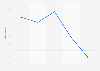

| Characteristic | Share of respondents |
|---|---|
| Ignored/deleted it | 70% |
| Blocked the number/account | 54% |
| Reported it | 32% |
| Checked to see if the number/account is real (e.g. Google search/elsewhere) | 23% |
| Told friends/family about it | 20% |
| Clicked on the link but then realised it was suspicious and didn't do as instructed | 11% |
| Engaged with the scammer (e.g. talked over a call/sent them a message) | 2% |
| Other | 2% |
| Clicked on the link and then did as instructed by the message/person (e.g. called the number shown/provided bank details) | 1% |
| Invested money as recommended by the scammer | 1% |
| Don't know | 1% |
| Can't remeber | 1% |
| Sent money/gifts | 0% |
| Arranged to meet the scammer | 0% |
| Prefer not to say | 0% |
The chart is not accessible to screen readers. Please switch to the table view to access the data.
Loading statistic...
Download
Source
Sources
In cooperation with
YouGov
Release date
January 2024
More information
Region
United Kingdom
Survey time period
9th to 11th January, 2024
Number of respondents
2,096 respondents
Age group
16 years and older
Supplementary notes
Original question: "Thinking about when you've received suspicious [type of suspicious content/contact]...Which, if any, of the following actions have you taken as a result? (Please select all that apply) Suspicious e-mails."
Citation formats

