Second-hand e-commerce - statistics & facts
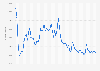
In a growing number of countries, a majority of consumers report having purchased second-hand goods in the past year. From changing diets to adopting no-waste tactics, second-hand shopping, and, in turn, second-hand e-commerce, has become a major part of how people make their everyday purchases. Roughly 12 percent of internet users worldwide bought a pre-owned product online in any given month in 2025. For conscious shoppers, it allows for ethical consumption, while for others, it may just scratch an itch to own timeless vintage merchandise.
A multi-billion-dollar resale boom
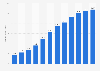
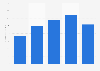
Fashion and apparel items make up a large portion of what is being resold around the world, with the second-hand apparel market on its own expected to reach over 367 billion U.S. dollars globally by 2029. The broader second-hand e-commerce market, spanning fashion, electronics, furniture, and toys, is forecast to generate combined revenue approaching 448 billion U.S. dollars by that same year. This growth is fueled in part by the proliferation of mobile platforms, with leading C2C shopping apps collectively registering tens of millions of downloads in the first half of 2026.
What drives and deters second-hand shoppers
When it comes to why consumers shop second-hand, most cited saving money as their primary reason to buy pre-owned items, while sustainability and the hunt for specific items unavailable new were also key drivers. In the United States, clothing remains the most common second-hand purchase by category. However, there are also several hindrances to second-hand shopping. In Europe, Gen Z and Millennial consumers didn't want to wear clothing already worn by someone else, were suspicious of second-hand quality, and were distrustful of online recommerce platforms.
Pre-loved platforms and the mobile edge
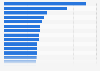
Several channels facilitate online second-hand shopping, with marketplaces serving as the most popular format. In Western countries, one of the most notable is eBay, with a global audience of over 136 million active buyers. Chinese consumers most frequently used the Alibaba-owned Xianyu, otherwise known as Idle Fish, with over 215 million active users. Brands like Vinted, Depop, and Mercari remain popular for selling and purchasing pre-owned items, consistently ranking among the most downloaded consumer-to-consumer apps worldwide. With roughly 42 percent of global consumers planning to increase their spending on second-hand goods, online resale is poised for continued growth.