Eating out behavior in the U.S. - statistics & facts
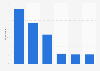
Diners in the United States are spoiled for choice. The U.S. restaurant market is extremely competitive, operating some of the biggest food service companies in the world. Given this, it is unsurprising that the most popular dining brands in the U.S. were also based in the country, with Baskin-Robbins leading the list in 2025. While a fast food dessert restaurant may have been the most popular, the leading dine-in restaurant category in the U.S. was casual dining, including the likes of Olive Garden and 础辫辫濒别产别别鈥檚.
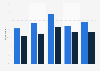
When it comes to eating in-person at restaurants, consumers have been a little slower to embrace digitalization. For example, all generations in the U.S. preferred physical menus to QR code menus in 2024. So, what are the key takeaways for U.S. restaurant owners? Ditch the QR codes and keep the delivery options.
Has the cost of eating out in the U.S. become too high?
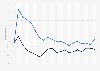
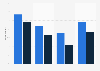
Sales at food service and drinking places in the U.S. saw an all-time high in 2024, reaching a significant 1.1 trillion U.S. dollars. However, this is not necessarily due to more consumers eating out, as shown in a 2025 survey where almost 50 percent of U.S. adults said that they were not eating out at restaurants as often as they would like, while nearly 40 percent said the same about ordering takeout/delivery. In fact, these higher sales are likely due to higher food and drink costs caused by economic inflation. Menu prices at quick service restaurants (QSRs) and full service restaurants (FSRs) have seen consistent year-on-year growth over the past year, reaching 3.4 percent and 4.1 percent, respectively, in March 2025. Meanwhile, in 2024, the most common amount spent per person on dining out in the U.S. was 11 to 20 U.S. dollars.Digital and delivery: the future of U.S. dining behavior
The effects of the COVID-19 pandemic on U.S. takeout and delivery can still be seen today. Now integral to American dining culture, many restaurants, both full service and quick service, offer takeout and delivery options. In particular, U.S. online food delivery providers like DoorDash and Uber Eats, the two most popular food delivery apps in the U.S., have seen massive growth. Highlighting the importance of these services, a 2024 survey showed that almost 30 percent of U.S. adults said that they ordered takeout/delivery via an app once a week.When it comes to eating in-person at restaurants, consumers have been a little slower to embrace digitalization. For example, all generations in the U.S. preferred physical menus to QR code menus in 2024. So, what are the key takeaways for U.S. restaurant owners? Ditch the QR codes and keep the delivery options.