


| Characteristic | Index point on a scale 0-100 |
|---|---|
| - | - |
| - | - |
| - | - |
| - | - |
| - | - |
| - | - |
| - | - |
| - | - |
| - | - |
| - | - |
| - | - |
| - | - |
| - | - |
| - | - |
| - | - |
| - | - |
| - | - |
The chart is not accessible to screen readers. Please switch to the table view to access the data.
Download
Source
Source
Release date
October 2018
More information
Region
China
Survey time period
June 2018
Number of respondents
2,190 online luxury shoppers
Special properties
Chinese luxury shoppers across genders, generations, income levels, city tiers and regions
Method of interview
Online survey
Supplementary notes
*Brand.com rating is not brand-specific.
Survey question:
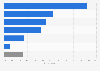
For those platforms which you have purchased from in the past 6 months, how would you rate them against the following metrics?
Only those who have made purchases on the platforms within the past 6 months were asked. Weighted averaged ratings calculated based on top 10 key factors, indexed to 0-100 scale.
The survey conductor defines the luxury shopper as someone who had purchased fashion products (e.g. apparel, handbag) from two or more brands in a list the survey provided. The list included 25 brands, from top luxury brands like Chanel, Louis Vuitton and Dior to more affordable luxury brands like Paul Smith, Maje and Kate Spade.
Citation formats



