| Characteristic | Yes | No | Don't know |
|---|---|---|---|
| - | - | - | - |
| - | - | - | - |
| - | - | - | - |
| - | - | - | - |
| - | - | - | - |
| - | - | - | - |
| - | - | - | - |
| - | - | - | - |
| - | - | - | - |
| - | - | - | - |
| - | - | - | - |
| - | - | - | - |
| - | - | - | - |
| - | - | - | - |
| - | - | - | - |
| - | - | - | - |
| - | - | - | - |
| - | - | - | - |
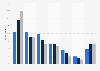
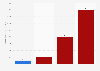
The chart is not accessible to screen readers. Please switch to the table view to access the data.
November 2017
Europe
October 2015 to July 2016**
30,871 respondents
14 years and older
sample of the population of each country from Kantar Public's internet panels, based on three demographic characteristics: gender, age and region of residence. Purposive sampling was used.
Face-to-face interview, online survey
* NL category 鈥淲on鈥檛 tell鈥� is merged with such category 鈥淒on鈥檛 know鈥�.
** The source states that "over two-thirds of interviews were carried out in October, November [2015] and February [2016], which are considered to be fairly average months with respect to POS payments made by consumers."
*** The original question was phrased by the source as follows: "Some people like to keep cash outside a bank account as precautionary reserves or as an alternative way of saving. Do you personally keep an extra amount of cash at home or at a safe place e.g. safety deposit box?"