| Characteristic | Low emissions pathway | High emissions pathway |
|---|---|---|
| - | - | - |
| - | - | - |
| - | - | - |
| - | - | - |
| - | - | - |
| - | - | - |
| - | - | - |
| - | - | - |
| - | - | - |
| - | - | - |
| - | - | - |
The chart is not accessible to screen readers. Please switch to the table view to access the data.
January 2024
United States
2023
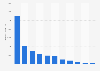
Figures are for the top-emitting eleven subsectors in 2030
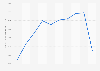
The "joint action scenario" assumes both federal regulatory action and state climate policy ambition ramp up dramatically. This includes, among others, federal action including the EPA鈥檚 adoption of its recently finalized oil and gas methane regulations and currently proposed power sector and light-duty vehicle (LDV) greenhouse gas pollution regulations, as well as tightened regulations of mercury emissions and medium- and heavy-duty vehicles GHG emissions. On the state side, climate-leading states establish and accelerate 100% clean energy and clean vehicle targets and enact policies to reduce energy consumption through increasing efficiency and reducing carbon intensity. All emissions reported are using 100-year global warming potential (GWP) values for non-CO鈧� greenhouse gases from the Fifth Assessment Report. Further information on the methodology and scenario pathways can be found in the report.
Low emissions pathway: represents a reasonable low bound on U.S. emissions through 2035, combining aggressive cost declines and performance improvements for a range of clean energy technologies (including clean power, industrial decarbonization technologies, electric vehicle prices, direct air capture costs, and beyond) with the highest projected prices for fossil fuels in the future and economic growth consistent with current Congressional Budget Office (CBO) projections through the early 2030s.
High emissions pathway: this scenario represents a reasonable high bound on emissions through 2035 and is effectively the opposite scenario of low emissions: more expensive clean technologies, the cheapest fossil fuel prices, and faster-than-expected economic growth.