Jewelry market in the U.S. - statistics & facts
To fashion connoisseurs jewelry is a fundamental part of one鈥檚 outfit, completing the vision with final touches of metals, gemstones and fun pieces. However, people wear jewelry for a variety of other reasons, including cultural significance and emotional connection. In the United States, jewelry is also given as a gift to show appreciation and affection. In fact, Americans planned to spend the most on jewelry as a gift for one of the most romantic holidays of the year, Valentine鈥檚 Day.
Market overview
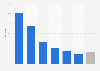
In 2025, Switzerland and India were the聽leading exporters of jewelry worldwide, with the United States ranked fifth on the list. That year, the U.S. exported jewelry worth over 12 billion dollars. By itself, the聽U.S. jewelry market was valued at about 63 billion U.S. dollars in 2025, a gradual decrease that has been observed since 2018. Driven by its consumers, the average annual expenditure on jewelry reached nearly 90 U.S. dollars in 2024. This was once again lower than the year prior.
Jewelry stores in the U.S.
As of 2025, there were a total of around 16,800 jewelry stores in operation in the United States, continuing a negative trend since 2016. Signet Jewelers, whose brands include Kay and Zales, was one of the market leaders among jewelry retailers in the United States, with worldwide retail sales of over 6.7 billion U.S. dollars in 2025. Out of their whole product catalogue, Signet Jewelers鈥� bridal jewelry line was their most profitable. In the fiscal year 2025, they sold about 2.9 billion U.S. dollars鈥� worth of bridal jewelry, almost half of their entire revenue.
While the U.S. jewelry market may be experiencing a decline, it remains resilient due to romantic events such as Valentine鈥檚 Day and weddings. These occasions continue to fuel consumer interest in fine jewelry, wedding bands, and thoughtfully selected gifts.