Global wine market- statistics & facts
The wine industry is facing hardship in many countries across the world. Demand for wine has been shrinking for some years and while there have been serious efforts to restrict supply, like government-backed vine destruction, those efforts have been outpaced by the pace of consumption's decline. Inflation has affected both the input costs for winemakers and consumers' willingness to spend, but the larger problem is that consumers are simply less interested in consuming alcohol than in the past.
In spite of increasing revenue in the global wine market, the decline in consumption is foreboding. Generational shifts in alcohol consumption signal that the decline might not be temporary. Experts in the wine industry consider reduced consumption and reduced spending power from consumers to be some of the most pressing issues in the wine market today.
Overflowing with wine
Global revenue for the wine industry was valued at over 332 billion U.S. dollars in 2024, representing an increase of 1.42 percent compared to the previous year. E-commerce sales of wine shot up by 32 percent in the first year of the pandemic and although growth hasn't maintained that pace, sales have still increased by an additional 16.45 percent since then. This relatively rosy picture of market value masks the troubling state of volume. Global wine consumption had been relatively stable prior to 2019 when it began a steady decline. Starting from 236 million hectoliters in 2019, consumption shrank by over nine percent to 214 million hectoliters by 2024. Meanwhile, production volume has been very slow to adjust to the reduction in consumption, resulting in a worldwide glut of wine. Until 2023, global wine production volume had remained more or less stable for some time.Winemaking still centered in Europe
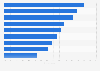
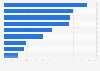
Italy is the largest producer of wine in the world, having produced 44 million hectoliters in 2024. The other top producers round out the old-world trio with France ranking second with 36.1 million hectoliters and Spain in third with 31 million hectoliters. When it comes to vineyard area, the top three are not the same. Spain leads here with 930,000 hectares. France is second with 783,000 hectares and China outranks Italy with 753,000 hectares. Despite being most often associated with wine drinking, the French are not the top consumers of wine per capita. Portugal consumes more wine, by far, at 61.6 liters per person in 2024.In spite of increasing revenue in the global wine market, the decline in consumption is foreboding. Generational shifts in alcohol consumption signal that the decline might not be temporary. Experts in the wine industry consider reduced consumption and reduced spending power from consumers to be some of the most pressing issues in the wine market today.