Coffee market in China - statistics & facts
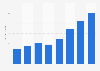
As a traditionally tea-drinking country, China has lagged behind the western countries and many neighboring regions in Asia in terms of coffee consumption. However, with rising popularity of coffee among its younger generations, the country has been catching up rapidly, reaching an average consumption of over 16 cups per capita in 2024鈥攎ore than double the amount consumed five years earlier. Today, many experts view China as one of the most promising coffee markets.
As a result, the growing demand for coffee in the country is heavily reliant on imports. In 2024, Brazil was China鈥檚 largest coffee import partner in terms of import value, supplying more than 301 million U.S. dollars worth of coffee to China, followed by Colombia, Ethiopia, and Vietnam. During the crop year ending in September 2025, China imported approximately three million bags of green coffee beans, far more than a decade ago.
The boom of new coffee shops and the popularity of coffee delivery apps make coffee not only extremely accessible in urban China but also fashionable, especially among young professionals. Being traditionally a tea-drinking society, Chinese people are opening up to international influences, foreign brands, and new experiences, transforming the coffee market into a highly promising opportunity.
Coffee cultivation and trade in China
China is a relatively young country in terms of coffee cultivation. In the 19th century, French missionaries introduced coffee to Yunnan province (in South China), which became the country's largest coffee-growing region, accounting for 98 percent of the nation's coffee production. While its neighbor Vietnam ranked among the largest coffee producer worldwide, China produced less than two million 60-kilogram bags of coffee in the coffee crop year 2024/25, contributing merely one percent of the global coffee production.As a result, the growing demand for coffee in the country is heavily reliant on imports. In 2024, Brazil was China鈥檚 largest coffee import partner in terms of import value, supplying more than 301 million U.S. dollars worth of coffee to China, followed by Colombia, Ethiopia, and Vietnam. During the crop year ending in September 2025, China imported approximately three million bags of green coffee beans, far more than a decade ago.
China鈥檚 coffee consumption
Due to its low price and convenience, instant coffee has dominated the Chinese coffee market for decades. However, China鈥檚 freshly ground coffee market has witnessed strong growth as more and more consumers expand their knowledge, taste, and appreciation of a superior quality product. The number of caf茅s in China has been increasing at a blistering pace, with more than 80 percent of them operating independently. There has been an increase in the number of coffee chains entering China in the past few years, which are expected to expand in market share. By far, Luckin Coffee is the largest fresh-ground coffee seller in China, with more than 25,000 stores across the country.The boom of new coffee shops and the popularity of coffee delivery apps make coffee not only extremely accessible in urban China but also fashionable, especially among young professionals. Being traditionally a tea-drinking society, Chinese people are opening up to international influences, foreign brands, and new experiences, transforming the coffee market into a highly promising opportunity.