Financing of small and medium enterprises in the UK - statistics & facts
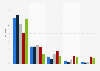
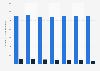
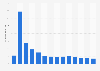
For UK small and medium鈥憇ized enterprises (SMEs), access to finance can be the difference between scaling up and standing still, yet most firms still tap only modest amounts of external funding. In recent times, the majority of UK SMEs either obtained no finance or raised between 25 thousand and 100 thousand British pounds. While two percent secured sums in the range of one to five million British pounds, underscoring the small-ticket nature of the industry. Over 85 percent of SMEs reported no attempt to access external finance in the previous 12 months, and only nine percent applied once, pointing to subdued demand or a continued preference for internal funds over bank or market funding.
Use of external finance and cost
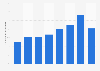
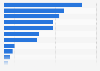
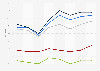
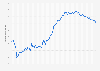
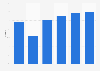
When UK SMEs do borrow, they favor short鈥憈erm and flexible types of external financial products rather than long鈥憈erm loans or equity. Credit cards were used by 38 percent of SMEs, with bank overdrafts being the second most popular, used by 29 percent of SMEs. These ranked ahead of less frequently used instruments such as leasing, hire purchase, or equity鈥憈ype finance. At the same time, the monthly interest rates for new SME loans indicate that borrowing costs remained elevated through 2025, with quoted rates in mid鈥�2025 still clearly above pre鈥�2022 levels and weighing on appetite for longer鈥憈erm debt.
Market structure and competition
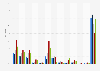
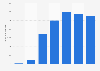
On the supply side, the structure of SME lending has shifted, with the largest UK banks steadily losing share in this market. Reflection upon recent years exhibits that the big five banks鈥� combined share of SME credit fell sharply between 2007 and 2024, with challenger banks and specialist lenders having expanded their footprint since 2020. This pattern aligns with evidence that a growing number of new banking licenses and alternative finance platforms are targeting smaller businesses, broadening the range of providers and products available to SMEs.
Future forecast聽
In 2026 and onward throughout 2027, UK SME finance is likely to remain characterized by small average ticket sizes and high reliance on working鈥慶apital tools such as credit cards and overdrafts. Structured term lending may experience gradual growth in the near future as interest rates stabilize. Elevated borrowing costs and the fact that a large majority of SMEs are not currently seeking external finance mean lenders will compete hardest for a relatively narrow pool of growth-oriented firms. This will accelerate risk-based pricing and favor data-rich borrowers with strong digital records. As challenger banks and fintechs continue to erode the big five鈥檚 market share, expect further development of embedded and invoice-backed solutions, tighter integration between accounting platforms, and credit decisioning. Also, expect a clearer split between transactional 鈥渃ashflow finance鈥� providers and relationship-driven banks positioned as long-term partners for scaling SMEs.