Apple in the U.S. - statistics & facts
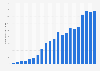
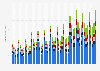
Much has changed since Apple's humble beginnings in a garage in Los Altos, California. Today, the tech giant stands as one of the most valuable companies in the world, cementing its position alongside Microsoft and other American tech giants. In its 2025 financial year, Apple's global revenue surpassed 416 billion U.S. dollars, with close to 40 percent generated in the Americas. The company's domestic presence remains formidable, with over 270 stores across the United States, offering customers the full range of Apple products, from the iPhone and iPad to the Mac and the newest Apple Vision Pro, as well as home entertainment devices like the Apple TV and Apple HomePod.
iPhone Dominance in the U.S. Market
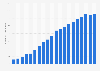
The iPhone continues to be Apple's leading product in the American market. Compared to many overseas markets, the iPhone not only outcompetes rival brands but also commands a greater share than Android users overall. This dominance reflects not just the iPhone's appeal but the strength of the entire Apple ecosystem. With over 150 million active iPhones in the United States, the device has become deeply embedded in American life. For many consumers, the seamless integration between the iPhone, Apple Watch, and MacBook reinforces brand loyalty and makes switching less appealing. The cultural presence of the iPhone, especially in areas like messaging and mobile payments, has further cemented its status as the default choice for most Americans.
Services: The New Growth Engine
While hardware built Apple's empire, services have become as the company鈥檚 most dynamic revenue driver. In recent years, Apple鈥檚 services revenue has continued to climb, even as iPhone sales have remained relatively flat. In 2025, services generated over 109 billion U.S. dollars, representing a 13.5 percent year-over-year increase. This segment, which includes iCloud, the App Store, Apple Music, Apple Pay, and Apple TV+, has now surpassed all of Apple鈥檚 non-iPhone hardware combined in revenue contribution. The shift reflects a strategic evolution: as consumers keep their devices longer, Apple is leveraging its vast user base through high-margin subscriptions and digital services. With more than one billion active subscriptions, the services division provides Apple with recurring, predictable income that helps offset the cyclical nature of hardware sales.
Apple's Broader Ecosystem and Future Outlook
Beyond its core products, Apple has successfully expanded into wearables and smart home devices. The United States has over 30 million active Apple TV units, while the HomePod has established itself as one of the leading smart speakers in the U.S. market. The Apple Watch dominates the smartwatch category, and AirPods have become almost synonymous with wireless earbuds. Together, these products strengthen the Apple ecosystem, creating a seamless, interconnected experience that fosters loyalty and cross-device adoption. The company鈥檚 launch of the Apple Vision Pro and the upcoming integration of Google鈥檚 Gemini within Apple Intelligence underscore its continued drive for innovation. As Apple navigates the complexities of AI development and adapts to evolving consumer habits, its powerful brand and commanding U.S. market presence position it to maintain industry leadership for years to come.