| Age group | Very low | Low | High | Very high |
|---|---|---|---|---|
| - | - | - | - | - |
| - | - | - | - | - |
| - | - | - | - | - |
| - | - | - | - | - |
| - | - | - | - | - |
| - | - | - | - | - |
The chart is not accessible to screen readers. Please switch to the table view to access the data.
June 2019
Australia
January to February 2018
2,026 respondents
18 years and older
Online survey
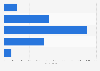
To determine the level of news literacy, respondents were asked three questions to test their knowledge of the news environment. Those questions about funding to the public broadcaster, who is responsible for writing a press release, and
the way Facebook selects news for people, were proven to be important for understanding the context and creation of news.
Based on the number of questions answered correctly
respondents were ranked from having very low news literacy
to very high news literacy:
- 0 correct = very low news literacy
- 1
correct = low news literacy
- 2 correct = high news literacy
- 3 correct = very high news literacy.