| Characteristic | Asia Pasific | Latin America | North America | Europe | Sub-Saharan Africa | Middle East and North Africa |
|---|---|---|---|---|---|---|
| - | - | - | - | - | - | - |
| - | - | - | - | - | - | - |
| - | - | - | - | - | - | - |
| - | - | - | - | - | - | - |
| - | - | - | - | - | - | - |
| - | - | - | - | - | - | - |
| - | - | - | - | - | - | - |
| - | - | - | - | - | - | - |
| - | - | - | - | - | - | - |
| - | - | - | - | - | - | - |
| - | - | - | - | - | - | - |
The chart is not accessible to screen readers. Please switch to the table view to access the data.
Download
Source
Source
Release date
September 2022
More information
Region
Worldwide
Survey time period
2012 to 2022*
Number of respondents
over 12 million employees
Special properties
employees from over 1,000 organizations of various sizes across 125 markets
Supplementary notes
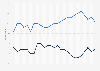
The source defines employee engagement as, "the level of an employee's psychological investment in their organization."
Components involved in the source's model included:
- whether the employee had positive things to say about the organization
- whether they intended to stay at the organization for a long time
- whether they were motivated to give their best effort to help the organization succeed.
*Q1 2022.
Citation formats