Following this week鈥檚 release of , OpenAI鈥檚 new multimodal model accepting image and text inputs rather than ChatGPT鈥檚 text-only prompts, people on social media have been marveling about the new engine鈥檚 results in performing a variety of tasks, such as creating a working website based on a simple sketch, outperforming humans in a variety of standardized tests or writing code.
But as people are only beginning to understand the capabilities (and limitations) of artificial intelligence models such as ChatGPT and now GPT-4, there鈥檚 also growing concern over what the rapid advancements in AI could ultimately lead to. 鈥淕PT-4 is exciting and scary,鈥� columnist Kevin Roose wrote, adding that there two kinds of risks involved in AI systems: the good ones, i.e. the ones we anticipate, plan for and try to prevent and the bad ones, i.e. the ones we cannot anticipate. 鈥淭he more time I spend with AI systems like GPT-4,鈥� Roose writes, 鈥渢he less I鈥檓 convinced that we know half of what鈥檚 coming.鈥�
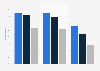
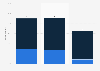
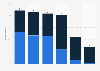
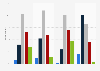
According to , many people seem to share Roose鈥檚 reservations with regard to artificial intelligence. According to the survey conducted among 24,471 adults in 34 countries, an average of 27 percent of respondents per country consider it likely that a rogue AI program will cause problems around the world this year, with some countries such as India, Indonesia and China seeing significantly higher degrees of AI angst. Interestingly, the share of those expressing their concern over the potential of AI going rogue is virtually unchanged from the previous year. Considering the very public leaps the technology has taken over the past few months, it鈥檒l be interesting to see how this changes going forward.