Social media and teenage mental health - statistics & facts
Is social media doing more harm than good for young minds? Whilst social media has many uses, it is often the youngest audience who experience the most online harm. The mental health challenges that teens face due to social media are difficult to deny, as screen time continues to increase and online addiction becomes a real conversation.
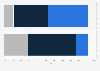
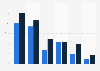
Teenagers had the feeling that their peers, rather than themselves, were more open to the negative effects of social media usage. Overall, 45 percent of teens said other people their age were negatively affected by social media, whereas just 14 percent said they themselves experienced mostly negative effects. Half of teen girls said that social media affected their sleeping habits and 43 percent said it impacted their productivity. Teen boys also reported that their sleep and productivity worsened.
An investigational TikTok account was designed to mimic a 16-year-old male user. Within half an hour of inputting general search terms, including football, gaming, gym tips, girls, men鈥檚 mental health, and comedy, the account was predominantly exposed to right-wing content, a far cry from the original search phrases.
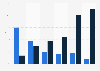
Although TikTok is considered the defining social media platform of Generation X, Facebook still has a considerable number of younger users, and they are exposed to harmful content on this platform too. During the fourth quarter of 2024, the social network removed 6.2 million pieces of child sexual exploitation content, and 2.5 million pieces of child nudity and physical abuse content. Facebook acted on approximately 6.3 million pieces of content that encouraged suicide or self-injury.
Although the use of social media can negatively affect teens鈥� mental health, it is widely used to stay connected with others. A global survey conducted in the third quarter of 2024 found that the foremost reason for using social media was to stay connected with friends and family. Other common and positive reasons for using social media were finding like-minded communities and interest groups, watching livestreams, and supporting noble causes.
Although there are numerous measures that parents can implement to ensure the safety of their children online, it remains crucial to impart digital literacy and to have government support and accountability from technology companies.
Technology: a double-edged sword
Parents in the United States thought that social media was more of a concern to teenagers' mental health than other forms of technology, bullying, pressures and expectations, and the state of society. As a result, many parents used built-in cell phone tracking methods and family monitoring apps to help them monitor their children鈥檚 online activities and physical location. Additionally, a 2024 study found that most parents felt that cigarette-style health warnings should be displayed on social media platforms.Parents and teens agree on something
Parents and teens might not agree on everything, but they have similar views when it comes to the severity of social media exposure. Over one in five teens said that social media was the main threat to their mental health. In 2024, 45 percent of adolescents in the U.S. said they spent too much time on social media, up from 36 percent in 2022.Teenagers had the feeling that their peers, rather than themselves, were more open to the negative effects of social media usage. Overall, 45 percent of teens said other people their age were negatively affected by social media, whereas just 14 percent said they themselves experienced mostly negative effects. Half of teen girls said that social media affected their sleeping habits and 43 percent said it impacted their productivity. Teen boys also reported that their sleep and productivity worsened.
What do teens see on their favorite platforms?
On TikTok, teenagers are exposed to a range of problematic content. In 2024, 34.7 percent of TikTok content recommended to teen boys was considered toxic. Within this content were the subjects of alpha masculinity, misogyny, reactionary right-wing politics, and conspiracy theories.An investigational TikTok account was designed to mimic a 16-year-old male user. Within half an hour of inputting general search terms, including football, gaming, gym tips, girls, men鈥檚 mental health, and comedy, the account was predominantly exposed to right-wing content, a far cry from the original search phrases.
Although TikTok is considered the defining social media platform of Generation X, Facebook still has a considerable number of younger users, and they are exposed to harmful content on this platform too. During the fourth quarter of 2024, the social network removed 6.2 million pieces of child sexual exploitation content, and 2.5 million pieces of child nudity and physical abuse content. Facebook acted on approximately 6.3 million pieces of content that encouraged suicide or self-injury.
Although the use of social media can negatively affect teens鈥� mental health, it is widely used to stay connected with others. A global survey conducted in the third quarter of 2024 found that the foremost reason for using social media was to stay connected with friends and family. Other common and positive reasons for using social media were finding like-minded communities and interest groups, watching livestreams, and supporting noble causes.
Although there are numerous measures that parents can implement to ensure the safety of their children online, it remains crucial to impart digital literacy and to have government support and accountability from technology companies.