Consumer shopping behavior in Indonesia - statistics & facts
Consumer shopping behavior patterns in Indonesia have evolved significantly in recent years, driven by increased digital connectivity, rising financial literacy, and evolving lifestyle preferences. Today鈥檚 consumers are more informed and selective, placing greater emphasis on value, quality, and brand transparency. While the Consumer Confidence Index (CCI) indicates a generally positive outlook, spending habits remain measured, with a focus on making intentional, well-researched purchases.
Indonesian consumer behavior is being reshaped by a blend of digital innovation, value-driven choices, and growing environmental awareness. As consumers become more connected, informed, and socially conscious, brands need to adapt by offering seamless, transparent, and sustainable experiences both online and in-store.
Where online meets offline: Indonesians redefine the shopping experience
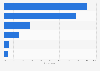
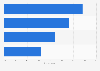
Offline shopping channels, such as traditional and modern trade, have always been popular among Indonesian consumers. However, the widespread use of e-commerce platforms and digital payment systems has contributed to a shift in purchasing habits, with many opting for online channels for both everyday essentials and lifestyle products. With Indonesian consumers becoming more tech-savvy, the demand for seamless and integrated shopping experiences has increased. Offline and online purchasing methods have now been integrated to create an enhanced omnichannel shopping experience. Instead of searching for and buying new products through one shopping channel, consumers can conduct online research before purchasing the desired products in a brick-and-mortar store, and vice versa. A recent survey revealed that omnichannel buying is popular with consumers in Indonesia, with several opting for online purchases after finding the item in a physical store.From scrolling to shopping: how social media shapes what Indonesians buy
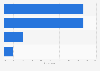
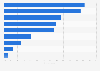
Social media plays a major role in shaping consumer behavior in Indonesia, strongly influencing brand perception and purchase interest. Social networking websites and apps are one of the most trusted sources for product information and a key tool for brand research. Indonesian consumers often turn to influencer recommendations, customer reviews, and user-generated content to guide their buying decisions. Visual content, especially short videos and creative posts, helps brands engage audiences more effectively. Additionally, social media offers a direct line of communication between consumers and brands, allowing users to ask questions, share feedback, and build deeper brand connections.What鈥檚 driving today鈥檚 consumer preferences?
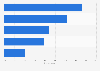
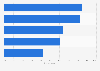
Indonesian consumers are increasingly prioritizing sustainability in their purchasing decisions. Many are willing to pay a premium for sustainable products, reflecting a growing awareness of environmental impacts. This shift includes supporting local producers and farmers, as well as brands, to ensure fair wages for employees. In addition, consumers are leaning towards food products with biodegradable packaging and making efforts to reduce food waste. Bringing refillable or reusable items while shopping for groceries is also becoming a common practice. As sustainability takes center stage, these consumer choices are reshaping the market and encouraging brands to adopt greener, more ethical practices.Indonesian consumer behavior is being reshaped by a blend of digital innovation, value-driven choices, and growing environmental awareness. As consumers become more connected, informed, and socially conscious, brands need to adapt by offering seamless, transparent, and sustainable experiences both online and in-store.