Anti-Semitism in Europe - Statistics & Facts
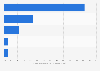
Since the turn of the century鈥攁nd particularly amid the ongoing conflict between Israel and Palestine鈥攖here has been a marked rise in violent antisemitic incidents worldwide. This increase has been most evident in countries with large Jewish populations, such as the United States, the United Kingdom, France, Germany, and Argentina. In Europe, the UK, Germany, France, and Austria recorded the highest number of antisemitic attacks in 2024. The United Kingdom alone reported 201 violent incidents, followed by 148 in Germany and 106 in France.
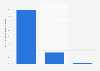
In the United Kingdom the number of antisemitic incidents tripled between 2022 and 2023. Monthly figures show that since October 2023, the number of reported incidents has consistently remained above 150. Geographically, over half of these offences occurred in London, while an additional 480 recorded in Greater Manchester 鈥� the two areas with the largest Jewish populations. The vast majority of cases were classified as general abusive behaviour, followed by threats as the second most common form.
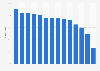
Germany, which reported the second-highest number of antisemitic offences in Europe, recorded a total of 5,164 antisemitic offences in 2023 鈥� an increase of more than 300 percent over the past decade. Most of the attacks were categorized as hurtful behaviour, and nearly half were directed at institutions.
A recent survey by the Anti-Defamation League, which asked respondents whether they agree with 11 different stereotypes about Jewish people, results revealed the continued presence of Holocaust denial and antisemitic stereotypes and negative perceptions of Jewish people across Europe. The results showed that 42 percent of EU citizens believe Jews have too much power in the business world, and 30 percent think Jews are hated because of their behaviour. When asked about the Holocaust, while the majority affirmed it had occurred, 9 percent believed that the number of Jewish victims has been exaggerated by history.
The conflict in the Middle East and the rise of antisemitism
According to Tel Aviv University鈥檚 annual antisemitism report, 2023 saw a sharp rise in the number of antisemitic incidents, particularly following the October 7 attacks and throughout the resurgence of the conflict in the Middle East.In the United Kingdom the number of antisemitic incidents tripled between 2022 and 2023. Monthly figures show that since October 2023, the number of reported incidents has consistently remained above 150. Geographically, over half of these offences occurred in London, while an additional 480 recorded in Greater Manchester 鈥� the two areas with the largest Jewish populations. The vast majority of cases were classified as general abusive behaviour, followed by threats as the second most common form.
Germany, which reported the second-highest number of antisemitic offences in Europe, recorded a total of 5,164 antisemitic offences in 2023 鈥� an increase of more than 300 percent over the past decade. Most of the attacks were categorized as hurtful behaviour, and nearly half were directed at institutions.
Antisemitic stereotyping and holocaust denial in Europe
According to the latest survey by the European Agency for Fundamental Rights, 80 percent of Europeans perceived an increase in antisemitism over the past five years, with Germany and the Netherlands reporting the highest perceived rises. Respondents most frequently encountered antisemitism offline during social interactions with friends, colleagues, and acquaintances, or in public spaces such as streets and public transport. However, antisemitic comments online were among the most common forms of experiencing this type of hostility 鈥� not only in Europe but also globally.A recent survey by the Anti-Defamation League, which asked respondents whether they agree with 11 different stereotypes about Jewish people, results revealed the continued presence of Holocaust denial and antisemitic stereotypes and negative perceptions of Jewish people across Europe. The results showed that 42 percent of EU citizens believe Jews have too much power in the business world, and 30 percent think Jews are hated because of their behaviour. When asked about the Holocaust, while the majority affirmed it had occurred, 9 percent believed that the number of Jewish victims has been exaggerated by history.