Coffee shops and cafés in the UK - statistics & facts
Despite being a country primarily known for drinking tea, coffee shops and cafés have a long history in the United Kingdom stretching back to the 17th century. In recent years, the UK’s thirst for hot beverages has not abated, with overall consumer spending on coffee, tea, and cocoa nearly doubling between 2012 and 2024. While the average weekly volume of hot drinks purchased outside the home took a heavy hit during the coronavirus pandemic, figures on the value of the branded coffee shop market in the UK pointed to a strong recovery. In 2025, this industry was valued at nearly seven billion British pounds, recording an increase of 1.7 billion from 2019.
What are the biggest coffee shop and café brands in the UK?
Coffeehouse chains dominate the UK’s coffee shop and café industry. Among the biggest coffeehouse brands in the country are Greggs, Costa Coffee, Starbucks, and Caffè Nero, which ranked among the leading quick service restaurants in the UK by number of units in 2026. In total, the number of branded coffee shop outlets in the UK was estimated at over 12,000 as of 2025, including both coffee-focused and food-focused establishments.
What are the latest consumer trends in the UK’s café industry?
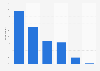
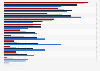
In a 2026 survey on the frequency of buying food and drink at cafés in Great Britain, almost a quarter of respondents said they did so at least once a week. Breaking down the frequency of buying food and drink at cafés by age group shows that younger consumers were the most likely to visit such establishments, with 30 percent of adults surveyed aged 18 to 25 doing so on at least a weekly basis. Looking at favorite coffee types consumed in the UK by generation, caffè latte ranked first among Generation Z respondents in a 2025 survey, followed by cappuccino.
What does the future hold for the UK’s coffee shop and café industry?
One of the most pressing issues of the modern age is environmental sustainability. With the rise of dairy alternatives and reusable takeaway mugs, coffee shops and cafés have also had to adapt to shifting attitudes and tastes. In this respect, some major brands have been focused on reducing their carbon footprint. For instance, Caffè Nero Group Holdings’ Streamlined Energy and Carbon Reporting emissions decreased by roughly four percent in 2025 over the previous fiscal year. In comparison, the total gross emissions of Costa Limited in the UK saw a more modest 1.5 percent annual decline in 2024. Only time will tell whether the current leading coffee shop chains will be at the forefront of a drastic change in approach within the industry.