| Characteristic | Internal switching rate | External switching rate | Switching rate by tariff |
|---|---|---|---|
| - | - | - | - |
| - | - | - | - |
| - | - | - | - |
| - | - | - | - |
| - | - | - | - |
| - | - | - | - |
| - | - | - | - |
| - | - | - | - |
| - | - | - | - |
| - | - | - | - |
| - | - | - | - |
| - | - | - | - |
| - | - | - | - |
| - | - | - | - |
| - | - | - | - |
| - | - | - | - |
| - | - | - | - |
| - | - | - | - |
| - | - | - | - |
| - | - | - | - |
| - | - | - | - |
The chart is not accessible to screen readers. Please switch to the table view to access the data.
Download
Source
Source
Release date
April 2020
More information
Region
United Kingdom (Great Britain)
Survey time period
2014 to 2019
Supplementary notes
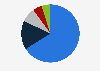
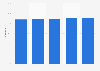
The source notes that internal switching refers to a customer changing tariff, payment method or account management (online/offline) with their existing supplier. Internal tariff switching only includes tariff changes that, as a minimum, represent 鈥榓ctive choices鈥�. For example a customer switching by default from a dead tariff to a cheaper evergreen tariff may not reflect an active choice.
Citation formats