| Characteristic | 2014 | 2015 | 2016 | 2017 | 2018 |
|---|---|---|---|---|---|
| - | - | - | - | - | - |
| - | - | - | - | - | - |
| - | - | - | - | - | - |
| - | - | - | - | - | - |
| - | - | - | - | - | - |
| - | - | - | - | - | - |
| - | - | - | - | - | - |
| - | - | - | - | - | - |
| - | - | - | - | - | - |
| - | - | - | - | - | - |
The chart is not accessible to screen readers. Please switch to the table view to access the data.
Download
Source
Source
Release date
April 2019
More information
Region
United Kingdom
Survey time period
2014 to 2018
Number of respondents
2,384*
Age group
16 years and older
Method of interview
Computer-assisted personal interviews (CAPI)
Supplementary notes
*n (2018) = 2,384; n (2017) = 2,386; n (2016) = 2,069; n (2015) = 2,107; n (2014) = 2,074.
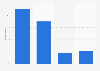
Original survey question: "Thinking specifically about people in the public eye - that is celebrities, politicians and other public figures rather than the general public - which one, if any, of these sources do you feel is the most intrusive into the lives of these people?"
Citation formats