After years of stability in the CEO position, the past six years have brought two changes at the top of Nike. Less than five years after taking over from long-time CEO Mark Parker in 2020, John Donahoe stepped down from his role in October 2025, making way for Nike veteran Elliott Hill. Donahoe had successfully guided the sportswear giant through the Covid-19 pandemic, overseeing Nike's aggressive direct-to-consumer push, which helped the company thrive during the pandemic but would eventually backfire.
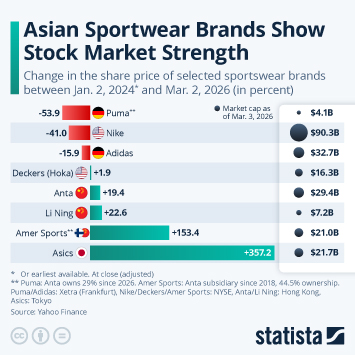
Shortly after sales boomed in 2021, Nike ran into problems, as its intense focus on where to sell made the company lose sight of what to sell. Amid an overreliance on its legacy footwear models, the brand once known for innovation and successful storytelling lost some of its competitive edge, suddenly finding itself play catch up with long-time rival Adidas and smaller upstarts such as Swiss running shoe company On or Hoka, a U.S. brand owned by Deckers Brands.
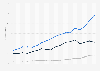
As our chart shows, Nike's share price initially surged under Donahoe鈥檚 leadership, as the company quickly recovered from the initial Covid shock, reporting stellar results for the fiscal year that ended May 31, 2021. The company鈥檚 market cap climbed from $160 billion when Donahoe took over to around $280 billion in November 2021, when Nike was at the peak of its powers. In light of lackluster growth and growing competition in the lifestyle sneaker segment, investors gradually turned sour on Nike, with the negativity boiling over in June 2024 after the company had reported disappointing results for fiscal 2024 and predicted a 鈥渕id-single digit鈥� sales decline for 2025. Nike's share price dropped nearly 20 percent the day after and gradually got worse from there. As of July 8, 2026, Nike's share price is down 76 percent from its post-Covid peak, as shareholders are eagerly waiting for the turnaround under Elliott Hill.