Greece - statistics & facts
Located in Southeast Europe (SEE), at the junction between Europe, Asia, and Africa, Greece is an important trade hub. Its key industries include shipping, travel and tourism, agriculture, and energy, among others. Due to its geographic position, Greece is one of the countries most affected by earthquakes in Europe. The country is a European Union (EU) and Eurozone member.
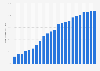
Greece has one of the highest unemployment rates in the EU, measuring at over nine percent as of December 2024. Even though the figure has been declining steadily over the past decade, it remains high, especially among the youth.
Greece is a developing market seeing an economic recovery. At the same time, demographic challenges, a lower corruption perception index than other EU countries, and natural disasters continue to present challenges.
Demographic crisis
More than 10 million people live in Greece, with Athens, the capital, being the largest city. The country is seeing a decline in population, and this trend is expected to continue in the years until 2030. Greece's fertility rate is lower than the European average, standing at 1.38 children per woman in 2023. The low number of births per woman can be explained by economic crises in the past decades and subsequent emigration, as the country has fewer women of childbearing age who prefer to have fewer children. Greece has one of the lowest net migration figures in Europe, at approximately -122,800 in 2024.The Greek economy
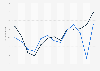
Following the debt crisis and the economic slowdown caused by the coronavirus (COVID-19) pandemic, Greece's gross domestic product (GDP) has been increasing since 2020 and is forecast to continue growing. The ratio of government debt to GDP, though the highest in the EU, is in decline. Furthermore, the inflation rate is projected to remain stable at just over two percent in the years until 2030. Government policies and increased private consumption, business confidence, and investment have contributed to these developments.Greece has one of the highest unemployment rates in the EU, measuring at over nine percent as of December 2024. Even though the figure has been declining steadily over the past decade, it remains high, especially among the youth.
Foreign investment
In line with its overall market growth, Greece has regained the attention of international investors. In recent years, the government has increased collaboration with the United Arab Emirates, which became the largest source country of foreign direct investment (FDI) inflows in Greece in 2024. The major holders of the FDI stock are in Europe and include Luxembourg, Germany, and Cyprus. Furthermore, Greece has the highest-ranking residence by investment program worldwide in terms of reputation, quality of life, visa access, processing time, requirements, taxes, costs, and other factors.Greece is a developing market seeing an economic recovery. At the same time, demographic challenges, a lower corruption perception index than other EU countries, and natural disasters continue to present challenges.