Travel and tourism in Iceland - statistics & facts
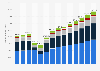
From the northern lights flickering across the sky to steaming hot springs even on winter days, Iceland has emerged a popular travel destination, with international visitor numbers climbing to around 2.3 million in 2024. To compare, at the beginning of the 2000s, around 300,000 foreigners visited the Nordic country. This change marks nearly a fivefold increase in visitors relative to the Icelandic population. The tourism industry is adapting to various traveler preferences, with an estimated 2.2 million international arrivals by scheduled flights and an additional 838,613 by cruise ships in 2023.
The Northern country is a destination for travelers seeking adventure and a connection to nature. It is partly through recent social media posts focusing on Iceland鈥檚 unique mix of volcanoes, glaciers, and black sand beaches, contributing to its rising popularity as a tourist location.
Travelers are drawn to Iceland by its seemingly mystical landscapes, yet most lodge in Reykjav铆k, where they can enjoy the comforts of the city. Thus, most visitors travel throughout the country during their stay, exploring attractions like whale watching and geothermal lagoons as part of their journey.
Profile of visitors to Iceland
The United States was the鈥�main contributor to tourism in Iceland in 2023, accounting for more than 600,000 air travelers. Meanwhile, tourists from the United Kingdom (UK) and Germany were the main European visitors in Iceland that year, totaling a combined figure of 402,000. For the most part, the Nordic country is considered a leisure destination: less than five percent of inbound travelers at Keflavik Airport visited for business, work, education, and other non-recreational purposes. The highest share of tourists to Iceland were young adults, with more than one-third of visitors between 25 and 34 years old. Nevertheless, about one-fifth of travelers were above 55 years of age.Diverse accommodation landscape
Iceland's hotel industry demonstrates a clear regional disparity, with the capital boasting 55 hotels in 2023, more than double the number in most other regions. There were 166 hotels operating in total for that year. While hotels dominate the accommodation landscape, Iceland's tourism offerings extend beyond traditional lodging. In 2023, approximately 1.3 million overnight stays were recorded for travelers staying at camping grounds. Wilderness lodges also welcomed over 124,000 overnight stays that year, highlighting the appeal of the country鈥檚 rural nature.Travelers are drawn to Iceland by its seemingly mystical landscapes, yet most lodge in Reykjav铆k, where they can enjoy the comforts of the city. Thus, most visitors travel throughout the country during their stay, exploring attractions like whale watching and geothermal lagoons as part of their journey.