| Characteristic | Female | Male |
|---|---|---|
| - | - | - |
| - | - | - |
| - | - | - |
| - | - | - |
| - | - | - |
| - | - | - |
The chart is not accessible to screen readers. Please switch to the table view to access the data.
January 2019
China
May 2018
48,580 respondents
15 years and older
among residents from eleven provinces/municipalities
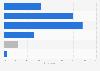
The sample size for urban dwellers was 29,557, rural residents 19,023; male sample size was 23,577 while female sample size was 25,003. The data was collected on one weekday and one weekend day, where subjects were asked to record activities in 15-minute intervals.
Entertainment refers to recreational activities that are not for work, study, and shopping. It includes online browsing of web pages (such as news information), computer games, mobile games, board games, group entertainment, collection, philately, calligraphy, painting, photography and art activities, going out, visiting and watching performances, watching movies, competitions, etc.; watching videos, television, movies, etc. online.
Fitness exercise refers to activities for the purpose of physical fitness, including walking, jogging, long-distance running, mountaineering, martial arts, aerobics, dance, group dance, yoga, various ball games indoors and outdoors, swimming, diving, boating, surfing; activities on ice, snow sports, cycling, wrestling, judo, boxing, etc.; home-use massage chairs, acupuncture and other activities.
Social interaction refers to talking/communicating with people outside the family (face-to-face or by phone, mobile phone, QQ, WeChat, Weibo, etc.), sending and receiving letters, attending parties, celebrations, religious activities, etc.
Reading books, newspapers and periodicals refers to reading paper issues, online, or other electronic media. This does not include activities of reading for studies and training.
Listening to radio or music refers to listening to radio programs, music, etc. on radio, internet or other electronic media.