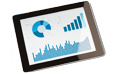
| Characteristic | AB | C1 | C2 | DE |
|---|---|---|---|---|
| 2012 | 62% | 59% | 51% | 41% |
| 2013 | 67% | 72% | 59% | 49% |
| 2014 | 75% | 69% | 65% | 54% |
| 2015 | 77% | 77% | 63% | 61% |
| 2016 | 76% | 78% | 70% | 61% |
| 2017 | 83% | 79% | 69% | 64% |
| 2018 | 86% | 86% | 78% | 67% |
| 2019 | 89% | 89% | 83% | 78% |
| 2020 | 92% | 96% | 90% | 84% |
| 2021 | 95% | 96% | 90% | 84% |
| 2022 | 96% | 94% | 87% | 82% |
| 2023 | 96% | 94% | 89% | 84% |
| 2024 | 97% | 95% | 91% | 87% |
The chart is not accessible to screen readers. Please switch to the table view to access the data.
January 2025
United Kingdom
2012 to 2024*
3,508*
16 years and older
Those who use a mobile phone
Telephone interview
This question was phrased by the source as follows: "Do you personally use a mobile phone? Is this a smartphone? A smartphone is a phone on which you can send ad receive emails, use apps, view websites and generally go online. Popular brands include iPhone and Samsung Galaxy. (Single code)"
* September 30 to November 13, 2024, was the most recent survey date
The source define the social classes as:
A - higher managerial, administrative and professional
B - Intermediate managerial, administrative and professional
C1 - Supervisory, clerical and junior managerial, administrative and professional
C2 - Skilled manual workers
D - Semi-skilled and unskilled manual workers
E - State pensioners, casual and lowest grade workers, unemployed with state benefits only