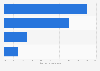
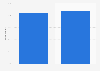
| Characteristic | Acceptance | Hesitant |
|---|---|---|
| - | - | - |
| - | - | - |
| - | - | - |
| - | - | - |
| - | - | - |
| - | - | - |
| - | - | - |
| - | - | - |
| - | - | - |
| - | - | - |
| - | - | - |
| - | - | - |
| - | - | - |
| - | - | - |
| - | - | - |
| - | - | - |
| - | - | - |
| - | - | - |
| - | - | - |
| - | - | - |
| - | - | - |
| - | - | - |
| - | - | - |
| - | - | - |
The chart is not accessible to screen readers. Please switch to the table view to access the data.
Download
Source
Sources
Release date
January 2023
More information
Region
Worldwide
Survey time period
June 29 to July 10, 2022
Number of respondents
23,000 respondents
Age group
18 years and older
Method of interview
Online survey
Supplementary notes
The study's definition of COVID-19 vaccine acceptance was having had at least one dose of the vaccine and, if not, being willing to receive it if it became available. If someone answered "no" to the question of whether they had received at least one dose of the COVID-19 vaccine and "unsure/no opinion," "somewhat disagree," or "strongly disagree" to the question of whether they would take the COVID-19 vaccine if it were made available, they were said to be showing vaccine hesitancy.
Citation formats