Restaurant industry in India - statistics & facts
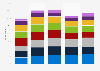
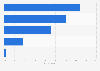
India鈥檚 extensive cuisine is an amalgamation of influences from various cultures and traditions. Its popularity put the country on the global culinary map with some chefs earning prestigious awards for their restaurants. Furthermore, restaurants and hotels accounted for the highest consumption in the food services market across the country. Increasing disposable incomes, urban lifestyles and an expanding market allowed forgoing home cooked meals occasionally. A symbiotic growth between the food industry and the growing middle class rendered the success of Indian restaurants.
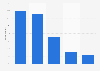
Pubs, bars, clubs, & lounges (PBCLs) have carved a niche among India鈥檚 young adults while still being significant in terms of market share combining global trends with local flavors 鈥� most popularly seen in Bangalore鈥檚 micro-breweries. This is largely driven by the alcohol consumption in the country. Alongside being work hubs, cafes offer community spaces for urban dwellers. This sub-segment is led by Tata Starbucks and Caf茅 Coffee Day.
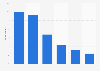
While the unorganized sector dominated the industry, much like others in the country, authorities need to constantly monitor and regulate the numerous unregistered street vendors who cater to the working middle class. Amidst the high inflation in such a highly fragmented market, the success of the restaurant was determined by their profitability without compromising on quality and flavor. The latter also happened to be the most important determining factor for loyalty in customers.
Moreover, sustainability is becoming a focal point in the Indian restaurant sector as consumers grow more mindful of their environmental impact. In response, restaurants embrace eco-friendly approaches such as sourcing local and organic ingredients, reducing food waste, and implementing energy-efficient methods. This shift is evident in the increasing adoption of Hyperpure, a Zomato initiative designed to supply restaurants with fresh, locally sourced ingredients, thereby reducing food miles and contributing to a sustainable ecosystem.
The rise and rise of restaurants in India
The impact of globalization in the 1990s on the food industry helped it in terms of establishing business ventures with many food chains with non-Indian and fusion influences. However, this also posed a huge competition to the existing local and regional establishments forcing diversification and innovation. This huge surge in the previous decade paved way for more quick service restaurants, and affordable fine dining that catered to niche consumers.Standard global versus regional and culturally diverse home brands
QSRs are the fastest-growing segment, catering to urban centers. Global giants including 惭肠顿辞苍补濒诲鈥檚, Domino鈥檚, and KFC dominate alongside home-grown brands like Wow! Momo, Hakka Makka, Adyar Anandha Bhavan, and Haldiram鈥檚 Express.Pubs, bars, clubs, & lounges (PBCLs) have carved a niche among India鈥檚 young adults while still being significant in terms of market share combining global trends with local flavors 鈥� most popularly seen in Bangalore鈥檚 micro-breweries. This is largely driven by the alcohol consumption in the country. Alongside being work hubs, cafes offer community spaces for urban dwellers. This sub-segment is led by Tata Starbucks and Caf茅 Coffee Day.
While the unorganized sector dominated the industry, much like others in the country, authorities need to constantly monitor and regulate the numerous unregistered street vendors who cater to the working middle class. Amidst the high inflation in such a highly fragmented market, the success of the restaurant was determined by their profitability without compromising on quality and flavor. The latter also happened to be the most important determining factor for loyalty in customers.
Emerging trends in the Indian restaurant industry
In recent years, the food delivery sector has rapidly gained momentum, revolutionizing and digitalizing restaurants nationwide. While offering unparalleled convenience for customers, this shift has necessitated a focus on maintaining food quality during transportation and adapting marketing strategies. With millions of individuals employed annually, there has been a partial transition in the workforce from waitstaff in traditional restaurants to delivery drivers for prominent delivery companies. Swiggy and Zomato remain at the forefront of the food delivery market, alongside several smaller local operators, varying by region.Moreover, sustainability is becoming a focal point in the Indian restaurant sector as consumers grow more mindful of their environmental impact. In response, restaurants embrace eco-friendly approaches such as sourcing local and organic ingredients, reducing food waste, and implementing energy-efficient methods. This shift is evident in the increasing adoption of Hyperpure, a Zomato initiative designed to supply restaurants with fresh, locally sourced ingredients, thereby reducing food miles and contributing to a sustainable ecosystem.