Boxing - statistics & facts
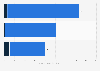
Although boxing as we know it today has its origins in 19th century England, the sport itself goes back as far as the original Olympics in Ancient Greece. Today, boxing is a sport loved by millions worldwide, and icons like Muhammad Ali have inspired countless people across the world to pick up a pair of gloves and step into the ring themselves. The number of people participating in boxing in the United States reached around 8.9 million in 2024, and the sport has provided opportunities for a number of industries to develop, with the most valuable boxing promoters being worth millions of U.S. dollars.
鈥�
鈥�
How lucrative is the boxing industry?
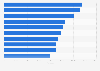
In 2023, the revenue of the World Boxing Council (WBC) amounted to 4.5 million U.S. dollars. The WBC is one of the four major boxing federations that oversee professional fights, and the one with the highest revenue in that year. One of the biggest sources of revenue in boxing is pay-per-view (PPV) sales, where people pay to be able to watch live boxing matches at home. As of 2024, the fight with the most PPV buys was Floyd Mayweather Jr.鈥檚 2015 bout against Manny Pacquiao. However, it is not only organizers and broadcasters that stand to earn millions from the sport, as the best boxers themselves can also receive a handsome paycheck for their biggest fights. Mayweather, the richest boxer in the world in 2025, had an estimated net worth of 400 million U.S. dollars.鈥�