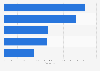
| Characteristic | Chruch-attending Christians | Non-practicing Christians | Religiously unaffiliated | Other religion / don't know |
|---|---|---|---|---|
| - | - | - | - | - |
| - | - | - | - | - |
| - | - | - | - | - |
| - | - | - | - | - |
| - | - | - | - | - |
| - | - | - | - | - |
| - | - | - | - | - |
| - | - | - | - | - |
| - | - | - | - | - |
| - | - | - | - | - |
| - | - | - | - | - |
| - | - | - | - | - |
| - | - | - | - | - |
| - | - | - | - | - |
| - | - | - | - | - |
The chart is not accessible to screen readers. Please switch to the table view to access the data.
Download
Source
Source
Release date
May 2018
More information
Region
Europe
Survey time period
April to August, 2017
Number of respondents
24,599 respondents
Age group
18 years and older
Special properties
Resident in Western Europe
Method of interview
Telephone interview
Supplementary notes
The source added the following information: Church-attending Christians are defined as those who say they attend church at least monthly. Non-practicing Christians are defined as those who attend less often. Other religion/don鈥檛 know/ref. are mostly Muslim respondents. General population surveys in Western Europe may not fully capture the size of minority populations, such as Muslims. Therefore, these figures may differ from previously published demographic estimates. Figures may not add to 100% due to rounding.
Citation formats