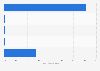
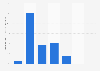
| Characteristic | Percentage of deaths |
|---|---|
| Heroin/morphine | 35.2% |
| Alcohol in combination | 33.7% |
| Antidepressants | 25.1% |
| Hypnotics/sedatives | 24.1% |
| Methadone | 22.7% |
| Cocaine | 11.1% |
| Antipsychotics | 5.8% |
| Amphetamines | 4% |
| Ecstasy type drugs | 3.7% |
| Antiepileptics | 2.4% |
| Cannabis | 2.3% |
| Mephedrone | 1.3% |
| GHB/GBL | 1.1% |
| 础苍迟颈笔补谤办颈苍蝉辞苍鈥檚 | 0.2% |
| Other opiates/opioid analgesics | 26.7% |
The chart is not accessible to screen readers. Please switch to the table view to access the data.
February 2014
United Kingdom (England)
2012
National Programme on Substance Abuse Deaths (NPSAD) drug-related deaths are those deaths reported voluntarily to the NPSAD by coroners. Responses were voluntarily submitted from a total of 78 out of 99 coroners' jurisdictions in England, giving a total coverage rate of 78.8%.
An NPSAD case is defined as a death where any of the following criteria are met at a completed inquest, fatal accident inquiry or similar investigation:
- One or more psychoactive substance directly implicated in death;
- History of dependence or abuse of psychoactive drugs;
- Presence of Controlled Drugs at post mortem; or
- Cases with deaths directly due to drugs but with no inquest.
There were 1.033 drug-related deaths in 2012 involving psychoactive drugs. The deaths detailed here sum to a higher amount. This is due to one death potentially involving more than one drug.
** 'Alcohol in combination' is a case where the death involved at least one psychoactive drug and alcohol.