As if inflation wasn鈥檛 putting enough pressure on Americans and their credit cards already, there鈥檚 another crisis straining personal finances: tipflation. A significant number of Americans believe that tipping culture has gotten out of control, as they are not only asked for higher tips but also in situations that didn鈥檛 require tipping a couple of years ago.
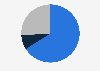
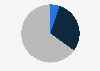
This phenomenon, also known as 鈥渢ip creep鈥�, is supported by a recent of nearly 12,000 U.S. adults. Pew found that 72 percent of Americans feel that tipping is now expected in more places compared to five years ago and that 29 percent of respondents think of tipping as an obligation rather than a choice. There鈥檚 also a growing sense of frustration with digital payment systems suggesting high tip percentages during the payment process, making a generous tip feel like the standard option that customers are forced to consciously (and seemingly stingily) opt out of.
Other surveys have shown that many people feel overwhelmed and confused by the increased expectations to tip in a wider range of situations, leaving them uncertain of when to tip and when not to. Pew Research found that 26 percent of respondents found it hard to figure out whether to tip for different kinds of services these days. Interestingly, this percentage climbs to 35 and 40 percent for respondents with a bachelor鈥檚 or postgraduate degree, suggesting that people perhaps tend to 鈥渙verthink鈥� tipping.
The following chart, also based on Pew鈥檚 findings, shows when Americans typically tip and when they don鈥檛, providing a little bit of guidance for those struggling to keep up with modern tipping culture.