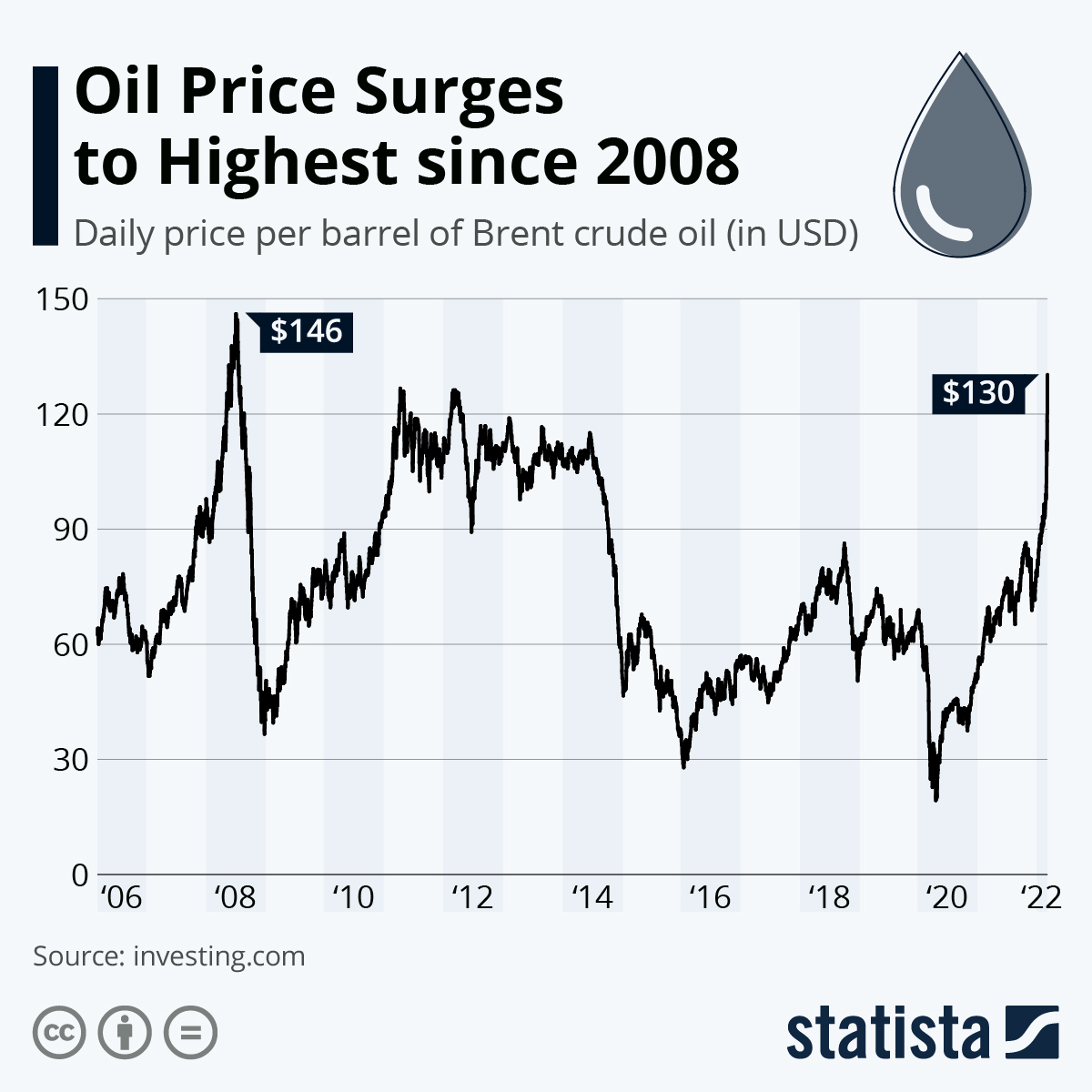
The price of a global oil benchmark surpassed once again on Tuesday after Iran announced a renewed closure of the Strait of Hormuz amid heavy U.S.-Israeli attacks at the start of the week. A barrel of Brent crude traded for more than $91 intraday after having opened at $89 as the world is bracing for another round of rising oil prices because of the Middle East conflict.
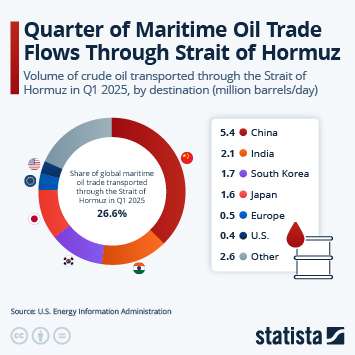
When Israel and the U.S. launched a war against Iran at the end of February, international shipping almost came to a halt at the entrance of the Strait of Hormuz, through which close to 27 percent of the world's maritime oil trade transits. The impact on oil prices was swift and a barrel of Brent crude eventually reached an , comparable to the aftermath of the Russian invasion of Ukraine in 2022, when a monthly average high of $122 was reached in June.
In June of 2026, a memorandum was signed by both sides that facilitated ships' passages again, which caused the price of Brent to fall further from an average of $107 in May to $85 in June. As of July 13, the average price of a barrel of Brent had stood even lower, at just $81, as the world expected a dissolving of the conflict. Now, the price of oil is likely to trend higher once more.
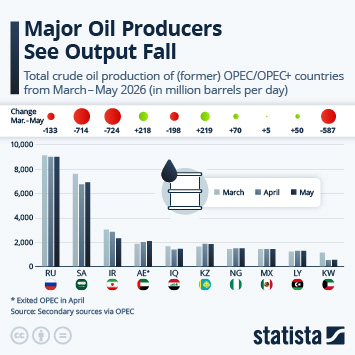
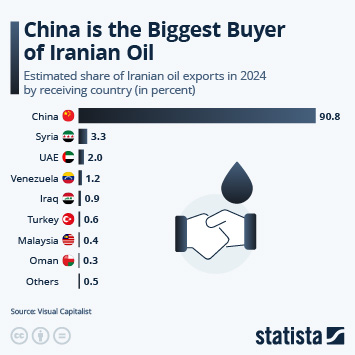
However, there have also been some moderating factors that have over the course of the conflict contributed to reining in oil prices. that China, a major oil importer and biggest buyer of Iranian oil by far, has cut back on consumption. While countries using the Persian Gulf to ship oil produced less of it, the U.S. upped their production significantly to make up for shortfalls.
Analysis from Rapidan Energy Group picked up by and shows that an estimated 20 percent of the world's oil supply has been disrupted by the ongoing conflict. That鈥檚 more than double the previous record set during the Suez Crisis of 1956-1957.