Digital payments in Vietnam - statistics & facts
Vietnam has a growing digital economy, driven by its rapidly expanding e-commerce sector and one of the highest internet penetration rates worldwide. This digital transformation has ignited progress across various sectors, with digital payments experiencing impressive growth. Once among the most cash-dependent nations in Asia, Vietnam is embracing cashless transactions at an unprecedented pace. The country has outpaced some of the world鈥檚 most developed economies鈥攕uch as South Korea, the U.K., and Germany 鈥攊n mobile payment penetration. This shift is largely attributed to the widespread use of smartphones- the primary gateway to the internet for millions of Vietnamese consumers.
Among the key players driving this transformation are e-wallet operators like MoMo, ZaloPay, and ViettelPay, which have established themselves as the most popular digital finance platforms among Vietnamese consumers. Despite rapid adoption and soaring transaction volumes, these platforms are grappling with a significant challenge鈥攑rofitability. The fiercely competitive landscape, coupled with high customer acquisition costs and low transaction fees, has made it difficult for e-wallet providers to generate sustainable revenue. To entice users, many companies have relied on cashback rewards, promotional discounts, and generous incentives, further straining their bottom line. In response, e-wallet providers are diversifying their business models, venturing into areas such as partnerships, lending services, and embedded financial solutions to unlock new revenue streams and ensure long-term viability.
Additionally, Vietnam has expanded cross-border QR payment systems, enabling seamless transactions with neighboring countries like Laos. With a dynamic economy and a tech-savvy population, Vietnam is positioned as a prime market for fintech innovation and investment. As digital payments continue to evolve, the country is set for a future where digital transactions are the norm rather than the exception.
E-wallets: from market leaders to profit struggles
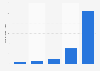
The days of cash-dominated transactions are fading, with e-wallets, cards, and QR codes rapidly becoming the preferred payment methods for Vietnamese consumers. In 2028, the value of digital payment transactions in Vietnam is projected to reach over 45 billion U.S. dollars, ranking it as the fourth-largest digital payments market in Southeast Asia鈥攕urpassing Singapore and Malaysia. Recognizing the critical role of digital payments in fostering financial inclusion, the Vietnamese government has actively encouraged fintech expansion, positioning the country as a fertile ground for innovation in financial technology.Among the key players driving this transformation are e-wallet operators like MoMo, ZaloPay, and ViettelPay, which have established themselves as the most popular digital finance platforms among Vietnamese consumers. Despite rapid adoption and soaring transaction volumes, these platforms are grappling with a significant challenge鈥攑rofitability. The fiercely competitive landscape, coupled with high customer acquisition costs and low transaction fees, has made it difficult for e-wallet providers to generate sustainable revenue. To entice users, many companies have relied on cashback rewards, promotional discounts, and generous incentives, further straining their bottom line. In response, e-wallet providers are diversifying their business models, venturing into areas such as partnerships, lending services, and embedded financial solutions to unlock new revenue streams and ensure long-term viability.
QR codes: the next big thing in digital payments
As the e-wallet market matures and competition intensifies, QR code payments have become a rising force in Vietnam鈥檚 digital payment landscape. Their ease of use, security, and government support have driven rapid adoption. By 2024, over 60 percent of Vietnamese consumers regularly use QR codes for transactions, surpassing traditional card payments. This shift is fueled by mobile banking apps, digital wallets, and increasing merchant acceptance, even in smaller cities and rural areas.Additionally, Vietnam has expanded cross-border QR payment systems, enabling seamless transactions with neighboring countries like Laos. With a dynamic economy and a tech-savvy population, Vietnam is positioned as a prime market for fintech innovation and investment. As digital payments continue to evolve, the country is set for a future where digital transactions are the norm rather than the exception.