


| Characteristic | Worldwide | Germany |
|---|---|---|
| - | - | - |
| - | - | - |
| - | - | - |
| - | - | - |
| - | - | - |
The chart is not accessible to screen readers. Please switch to the table view to access the data.
Download
Source
Source
Release date
October 2024
More information
Region
Worldwide, Germany
Survey time period
August 12 to September 2, 2024
Number of respondents
2,150*
Method of interview
Face-to-face interview
Supplementary notes
*2024 N= 2,150, Germany N=250
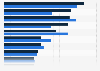
The German values refer to the results for Germany (page 11).
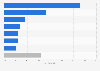
The source contains the following explanation for the individual 鈥渃yber readiness鈥� levels:
- Minimal: Basic awareness of cyber resilience, with minimal formal processes and ad hoc responses to cyber incidents
- Ad hoc: Some formal processes are in place, but implementation is inconsistent and often reactive. Few training and awareness programs.
- Basic: Established and documented processes with regular reviews and updates. Average level of employee training and awareness. Incident response plans are regularly tested.
- Advanced: Integrated processes across the organization, with metrics for tracking. Continuous improvement procedures are in place. High level of employee training and proactive incident response.
- Exemplary: Best-in-class practices fully integrated into business strategy. Continuous innovation and improvement of cyber resilience. Strong collaboration with external partners and stakeholders.
Citation formats